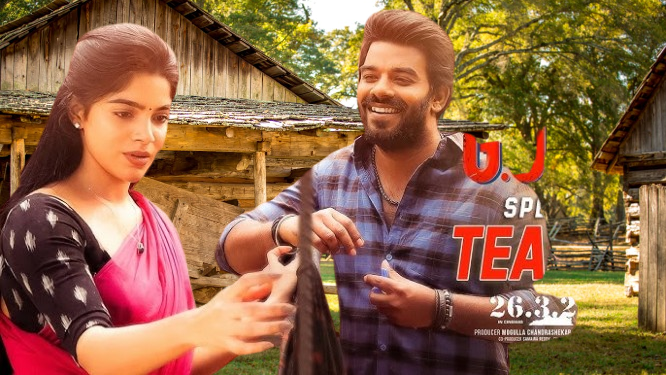
Ugly Story Movie 2026 Movierulez Review Details
⏱️ 4 Min Read 🛡️ Trade Verified (May 25, 2026) 📊 Box Office Hub Join Our Telegram Channel 🎬 Exclusive Movie Reviews & Daily Amazon Deals Connect Now 🛡️ 100% Legit Content: Reviews & Affiliate Offers only. Zero piracy or unauthorized downloads. Ugly Story Review – A Toxic Love Unraveled or Just Psychological Noise? The…
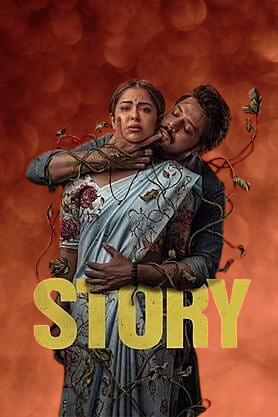
Ugly Story Review – A Toxic Love Unraveled or Just Psychological Noise? The Real Analysis
I walked into this screening expecting a conventional love story. What I got was a slow-burn dissection of emotional control that left me unsettled—and that is precisely the point. Ugly Story is not here to comfort you.
Synopsis
A young woman enters a relationship that begins with tenderness and descends into psychological entrapment. The film tracks her battle against manipulation, fear, and the slow erosion of self-worth. It is a love story told through the lens of trauma.
| Role | Name |
|---|---|
| Director | Pranava Swaroop |
| Lead Actor | Nandu Vijay Krishna |
| Lead Actress | Avika Gor |
| Music Composer | Shravan Bharadwaj |
| Cinematographer | Shrie Saikumaar Daara |
| Editor | Srikanth Patnaik R, Mithun Soma |
| Producer | Konda Lakshman, J.S. Subhashini |
Section 1: Who Is This Movie For?
This is not a date-night film. Ugly Story targets viewers who appreciate psychological depth over glossy romance. If you watch for escapism, this will feel like a cold shower.
It suits audiences drawn to issue-driven narratives, particularly those exploring toxic relationships. The film demands patience and emotional fortitude. It rewards those who stay.

Section 2: Script Analysis – Flow, Logic, and Pacing
The screenplay follows a non-linear structure, opening with the relationship’s demise before flashing back to its deceptive bloom. This choice works—it creates dread from the first frame.
Pacing is deliberate, occasionally glacial. The middle act drags as it repeats patterns of manipulation. However, the third act tightens the screws effectively. Logic holds within the film’s internal rules, though some character decisions frustrate intentionally.
Section 3: Character Arcs – Did They Grow?
Avika Gor’s character undergoes a painful but credible transformation. She starts as naive, becomes paralyzed, and finally fights for agency. The arc is earned through small, grueling steps.
Nandu Vijay Krishna’s antagonist is chilling precisely because he remains charming. He does not grow—he weaponizes consistency. This choice is bold and unsettling. Supporting characters remain functional, which is the script’s weakest point.
Section 4: The Climax Impact – Did the Ending Satisfy?
The climax delivers catharsis without moral neatness. It refuses to glamorize survival. The final scene lingers on a quiet, ambiguous note that respects the thematic weight.

Some viewers will crave a louder resolution. I found the restraint more powerful. The ending stays with you, which is the mark of effective psychological drama.
| What Worked | What Didn’t |
|---|---|
| Unflinching portrayal of control | Middle act loses narrative momentum |
| Lead performances carry deep emotional weight | Side characters lack development |
| Non-linear structure builds effective dread | Some dialogue feels exposition-heavy |
Section 5: Writer’s Execution – Dialogue Quality
The dialogue oscillates between natural intimacy and theatrical tension. Early scenes feel authentic, capturing the seductive rhythm of a toxic partner. Later exchanges tilt toward explicit explanation of the subtext.
This clarity works for mass audiences but undercuts subtlety. The best lines are the quietest—a pause, a half-sentence, a look. The writer trusts the actors more than the words, which is wise given the cast’s capability.
Section 6: Miss vs Hit Factors – Text Analysis
Hits: The film’s emotional premise is timely and urgent. Avika Gor delivers a career-defining performance. The music score by Shravan Bharadwaj amplifies anxiety without becoming manipulative.
The cinematography uses close-ups to trap the audience in the protagonist’s claustrophobia.

Misses: The script struggles with pacing in the second quarter. The supporting cast is underutilized, which reduces the world’s depth. Box office figures (₹0.24 crore gross) suggest marketing failed to position the film correctly for its intended audience.
Section 7: Technical Brilliance – Music, Cinematography, and Editing
Shravan Bharadwaj’s soundtrack is a character in itself. Songs like “Naa Gundelone” and “Veeraprema” carry emotional cues that the script sometimes leaves unsaid. The sound design, credited to foley artist Subbiah Pillai, uses ambient silence to magnify tension.
Shrie Saikumaar Daara’s cinematography favors tight frames and muted palettes. The visual language mirrors the protagonist’s shrinking world. Editing by Srikanth Patnaik R and Mithun Soma is sharp in the first and third acts, but loses rhythm during the repetitive middle.
| Aspect | Rating / Comment |
|---|---|
| Story Depth | 8/10 – Heavy, timely, emotionally honest |
| Visual Execution | 7.5/10 – Claustrophobic framing works |
| Music & Sound | 8.5/10 – Score elevates the psychological tone |
| Lead Performance | 9/10 – Avika Gor delivers her strongest work |
| Pacing | 6.5/10 – Middle act tests patience |
FAQs
1. Is Ugly Story based on a real incident?
No official confirmation exists, but the themes of emotional manipulation are drawn from recognizable toxic relationship patterns.
2. Does the film have a happy ending?
It offers resolution, not happiness. The ending is realistic and avoids romantic gloss.

3. Why did the movie perform poorly at the box office?
Limited marketing, a niche psychological premise, and competition from larger releases likely constrained its commercial reach.
This analysis is based on the theatrical experience and cinematic merit.
Was this trade analysis helpful?
Your feedback helps Movierullz editors maintain trade database integrity.