Papam Prathap Movie 2026 Movierulez Review Details
⏱️ 6 Min Read 🛡️ Trade Verified (May 1, 2026) 📊 Box Office Hub Join Our Telegram Channel 🎬 Exclusive Movie Reviews & Daily Amazon Deals Connect Now 🛡️ 100% Legit Content: Reviews & Affiliate Offers only. Zero piracy or unauthorized downloads. Papam Prathap Review – A Novel Premise Buried Underdated Execution? The Real Analysis…
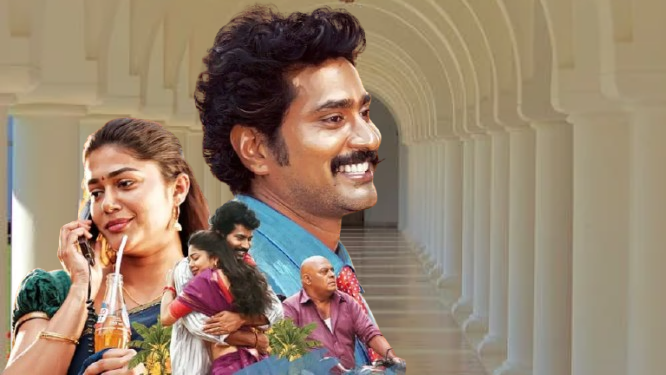
Papam Prathap Review – A Novel Premise Buried Underdated Execution? The Real Analysis
As a critic who has sat through hundreds of Telugu rural dramas, I walked into Papam Prathap expecting the familiar. What I got was a genuinely intriguing concept—a romantic comedy built around an undiagnosed REM sleep behavior disorder—executed with the finesse of a 1990s television serial.
The question is not whether the film has heart, but whether it has the intelligence to match its ambition.
Synopsis
Prathap, a carefree young man from a Godavari village, marries his childhood sweetheart Bujjamma. After three nights of marriage, she publicly humiliates him at a village panchayat, declaring he has a mysterious “issue” she refuses to name.
The secret? He physically acts out his vivid dreams during sleep, creating awkward intimacy problems. The film follows his journey from shame to redemption.
| Role | Name |
|---|---|
| Prathap | Thiruveer |
| Bujjamma | Payal Radhakrishna |
| Prathap’s Father | Ajay Ghosh |
| Prathap’s Mother | Raasi |
| Comic Villagers | Raghu Babu, Goparaju Ramana |
| Director | S.P. Durga Naresh |
| Music | K.M. Radha Krishna |
| Background Score | Suresh Bobbili |
| Cinematography | Vishweshwar S.V |
| Editor | Anwar Ali |
Who Is This Movie For?
Family audiences who enjoy light-hearted village comedies with a moral core. Thiruveer fans expecting his raw energy from George Reddy will find a softer, more innocent performance.
Viewers seeking novelty—the REM disorder premise is genuinely fresh. However, those allergic to outdated comedy tropes (farcical panchayats, vulgar side-tracks, over-the-top fathers) will struggle.
This is a film stuck between wanting to be progressive and embracing regressive humor.
Script Analysis: Flow, Logic, and Pacing
The screenplay commits its first sin in Act One: Bujjamma’s public revelation at the panchayat creates intrigue but defies basic logic.

Why would a wife who loves her husband humiliate him without explanation? The script never justifies this, leaving a credibility gap from the start. The first half coasts on energy—father-son banter, village gossip, and the mystery of the “issue” sustain momentum.
But the second half collapses into repetitive introspection. Prathap consults elders, tries folk remedies, and wallows in self-pity. The pacing feels like a 150-minute film stretched to 180.
The resolution, when it comes, is rushed: a single conversation solves months of marital strife. The script lacks the courage to explore the deeper implications of a disorder that affects intimacy.
Character Arcs: Growth or Stagnation?
Prathap undergoes the clearest arc: from arrogant, carefree husband to humbled, self-aware man. Thiruveer sells the vulnerability well, but the transformation feels dictated by plot convenience rather than internal conflict.
Bujjamma is the film’s biggest failure. She exists only as a catalyst—her anger, her secrecy, her eventual forgiveness are all dictated by the script, not by a coherent personality.
Ajay Ghosh as the father is a comedic highlight, but his character never evolves beyond the angry patriarch cliché. The supporting villagers (Raghu Babu, Goparaju Ramana) are purely functional: they mock, they laugh, they disappear.
No one grows except the protagonist, and even his growth feels like a checklist.
The Climax Impact: Satisfaction or Letdown?
The climax hinges on Prathap publicly admitting his condition and Bujjamma accepting him. In theory, this is cathartic. In execution, it is a two-minute dialogue scene that feels unearned.
The film spends two hours building shame and secrecy, then resolves it with a speech. There is no dramatic confrontation, no emotional breakdown, no visual metaphor for his disorder.

The final shot—a happy couple walking into the sunset—is so conventional it undermines the unique premise. For a film about a literal sleeping disorder, the ending puts everyone to sleep.
| What Worked | What Didn’t |
|---|---|
| Novel REM sleep disorder premise | Illogical wife secrecy at panchayat |
| Ajay Ghosh’s comedic timing | Second half pacing drags severely |
| Pre-interval panchayat scene energy | Rushed, dialogue-heavy resolution |
| Thiruveer’s innocent portrayal | Underdeveloped female lead arc |
| Village atmosphere and DOP work | Vulgar side-track with Goparaju Ramana |
Writer’s Execution: Dialogue Quality
S.P. Durga Naresh writes dialogues that swing between authentic rustic charm and cringe-worthy farce. The father-son exchanges—especially Ajay Ghosh yelling about “family honor”—land well because they feel rooted in Telugu household dynamics.
But the comic tracks rely on double entendres and physical humor (slapstick falls, exaggerated reactions) that feel two decades old.
The emotional dialogues in the second half are painfully on-the-nose: characters literally say, “I need to understand myself before I can love you.” Modern audiences expect subtext, not lectures.
The writer aims for depth but settles for exposition.
Miss vs Hit Factors: What Went Right vs Wrong
The Hit: The core concept is a genuine conversation starter. A film about a sleep disorder affecting marital intimacy is rare in Telugu cinema.
The first half’s mystery—what is the “issue”?—is genuinely engaging. The Miss: The execution betrays the concept. The writer/director lacks the maturity to handle sensitive themes.
Instead of exploring the psychological toll on both partners, we get village comedy and ego battles. The film also misses a crucial opportunity to educate: REM disorder is real, but the film never portrays its medical reality, instead treating it as a quirky plot device.
What could have been a meaningful drama about vulnerability becomes a generic redemption story.

Technical Brilliance: Music, Cinematography, Editing
K.M. Radha Krishna’s songs are pleasant but forgettable. “Pillekkadundi” is energetic but overused. Suresh Bobbili’s background score is adequate—it heightens comedy but fails to underscore emotional beats.
Vishweshwar S.V’s cinematography is the technical standout: the Godavari backwaters, lush fields, and rustic homes are captured with warmth and texture.
The color grading evokes the late 90s without feeling gimmicky. Anwar Ali’s editing is the film’s technical Achilles’ heel. Scenes in the second half linger too long; a 20-minute trim would have improved pacing dramatically.
The VFX (supervised by Balaji) is minimal and serviceable—no complaints but no praise.
| Aspect | Rating/Comment |
|---|---|
| Premise Originality | 8/10 – Fresh, rare in Telugu cinema |
| Screenplay Logic | 4/10 – Weak justification for key plot points |
| Character Depth | 3/10 – Only protagonist has an arc |
| Dialogue Quality | 5/10 – Rustic charm mixed with dated humor |
| Cinematography | 8/10 – Vivid, atmospheric village visuals |
| Music & BGM | 6/10 – Pleasant but not memorable |
| Editing & Pacing | 4/10 – Second half drags significantly |
| Climax Satisfaction | 4/10 – Rushed, unearned resolution |
| Overall Execution | 5/10 – Concept wasted on dated storytelling |
Frequently Asked Questions
1. Why does Bujjamma not reveal Prathap’s issue privately instead of at the panchayat?
The script uses this as a dramatic hook, but it is a logical flaw. A wife who loves her husband would address intimacy issues privately. The film never justifies her public humiliation, making her character seem cruel rather than hurt.
This is the screenplay’s biggest credibility gap.
2. Is the REM sleep disorder portrayed accurately?
No. The film treats it as a comedy device (Prathap acting out dreams physically) without explaining the medical reality. REM behavior disorder is a serious neurological condition, but the movie uses it purely for awkward situations.
This is a missed opportunity for awareness.
3. Does Prathap’s father ever accept his son’s condition?
Yes, but the acceptance is off-screen. In the climax, the father simply stops yelling. There is no emotional scene where he understands his son’s struggle.

The character arc for Ajay Ghosh’s role is incomplete—he remains a one-note angry patriarch until the script forgets about him.
Final Verdict
Papam Prathap is a film with a brilliant idea trapped inside a mediocre movie. The REM sleep disorder premise deserves a tighter, more emotionally intelligent script.
What we get instead is a stretched, logic-weak, occasionally funny rural drama that feels like a 1990s television serial shot on 2026 equipment. Thiruveer tries his best, and Ajay Ghosh delivers genuine laughs, but the director’s inability to handle sensitive themes with maturity sinks the ship.
Watch it if you crave novelty in premise; skip it if you demand execution.
This analysis is based on the theatrical experience and cinematic merit.
Was this trade analysis helpful?
Your feedback helps Movierullz editors maintain trade database integrity.