Mr Work From Home Movie 2026 Movierulez Review Details
⏱️ 5 Min Read 🛡️ Trade Verified (May 20, 2026) 📊 Box Office Hub Join Our Telegram Channel 🎬 Exclusive Movie Reviews & Daily Amazon Deals Connect Now 🛡️ 100% Legit Content: Reviews & Affiliate Offers only. Zero piracy or unauthorized downloads. Mr Work From Home Review – A Modern Dilemma or Just a Predictable…

Mr Work From Home Review – A Modern Dilemma or Just a Predictable Sermon? The Real Analysis
We have all felt the tug-of-war between the comfort of our home office and the demands of the real world. But does this film actually capture that struggle with honesty, or does it just serve us a reheated moral lesson?
The Core Conflict Explained
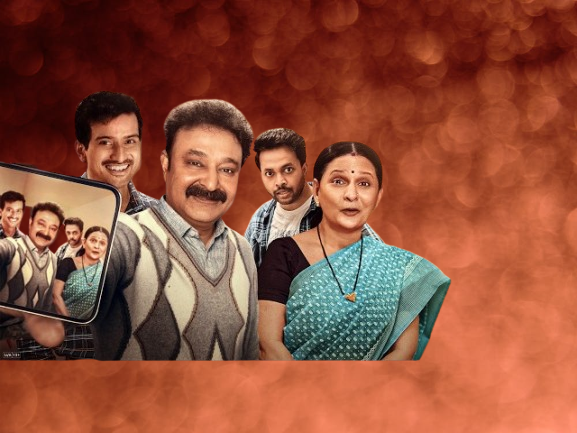
Aravind (Thrigun) is a software professional who believes the “work-from-home” lifestyle is the ultimate definition of success and efficiency. His world is perfectly insulated until he marries Mahi (Payal Radhakrishna).
Suddenly, the boundaries between his digital sanctuary and the messy, demanding reality of family life begin to crumble. The film asks whether true progress comes from staying inside or engaging with your roots.
| Role | Name |
|---|---|
| Director | Madhudeep Chelikaani |
| Lead Actor | Thrigun |
| Lead Actress | Payal Radhakrishna |
| Music Composer | Arun Chiluveru |
| Cinematographer | Ravi Kumar V |
| Editor | Kotagiri Venkateshwararao |
| Supporting Cast | Viva Harsha, Satya Krishnan |
Who Is This Movie For?
This is a targeted arrow, not a shotgun blast. It is designed for family audiences and millennials who have actually debated the pros and cons of remote work.
If you enjoy slow-burn, character-driven dramas that prioritize social messaging over mass-action spectacle, you are the target. However, if you crave taut thrillers or high-energy commercial cinema, this film will likely test your patience.

The Script Analysis
The screenplay presents a clear, logical flow, but it suffers from predictability. The first act establishes Aravind’s bubble effectively, using visual cues of laptops and headphones to define his space.
The problem is that the narrative telegraphs its punches. You can see the “village wisdom” versus “city arrogance” clash coming from a mile away.
The pacing is uneven; the middle act drags significantly with repetitive arguments, while the resolution arrives too neatly. It feels like a checklist of dramatic beats rather than an organic story.
Character Arcs
Thrigun’s Aravind starts as a one-dimensional caricature of a tech bro. He is rigid, almost annoyingly so. The film forces growth upon him, but the transformation feels external rather than internal.
He changes because the plot demands it. Payal Radhakrishna’s Mahi has the harder job, acting as the audience’s moral compass. She is written as the “correct” half of the couple, which limits her depth.
The supporting characters, like Viva Harsha’s comic relief, do not arc at all; they exist only to service the lead’s journey.

The Climax Impact
The climax attempts to merge technology with tradition in a reconciliatory gesture. It is emotionally intended but technically flat. The film builds to a moment where Aravind must choose between a high-paying remote contract and a family obligation.
The choice is obvious, and the execution lacks the tension needed to make the ending satisfying. It feels like a sigh of relief rather than a punch of catharsis.
| Screenplay Highs | Screenplay Lows |
|---|---|
| Honest depiction of remote work rituals. | Predictable conflict beats. |
| Strong initial character setup. | Heavy-handed moral messaging. |
| Relatable family dynamics. | Slow pacing in the middle act. |
| Attempts at humor land occasionally. | Lack of narrative surprise. |
Writer’s Execution
The dialogue wavers between sharp observation and clumsy lecture. When Aravind argues about productivity metrics with his father, the words feel authentic.
But too often, characters stop acting to deliver lines that sound like a public service announcement about “balance.” The comedy relies on physical gags and situational irony, which works in bursts.
The emotional exchanges, however, lack subtext. Characters say exactly what they mean, leaving no room for the audience to infer or engage.
Miss vs Hit Factors
The biggest hit is the film’s timeliness. It tackles a very real 2026 problem with sincerity. Aravind’s initial comfort zone—no commute, no awkward small talk—is a fantasy many recognize, and the film does not mock that fantasy entirely.

The major miss is the execution of the conflict. Instead of a nuanced debate about work-life balance, we get a simplistic “village good, city bad” framework.
The film tells us that technology is isolating, but it shows us this through exaggerated scenarios that feel staged. It misses the chance to explore the genuine anxiety of hybrid work culture.
Technical Brilliance
Arun Chiluveru’s music is the emotional anchor. The soundtrack, including the single Vennele Vennele, supports the mood without overwhelming the scene.
The cinematography by Ravi Kumar V is a mixed bag; the interior shots of Aravind’s apartment are sterile and effective, but the outdoor village sequences lack the vibrant texture they need.
The editing by Kotagiri Venkateshwararao is the film’s weakest technical link. Several scenes linger too long, and the rhythm feels inconsistent, robbing the narrative of momentum.
| Aspect | Rating/Comment |
|---|---|
| Story Depth | 7/10 – Relevant but predictable. |
| Visual Aesthetics | 6/10 – Functional, not artistic. |
| Sound Design | 7/10 – Music lifts the drama. |
| Pacing | 5/10 – Drags in the second act. |
| Lead Performance | 7/10 – Sincere, but limited by script. |
Frequently Asked Questions
1. Does the film completely reject remote work culture?
No. It criticizes the extreme isolation of the protagonist but ultimately advocates for a blend of modern work and traditional values, not a full rejection of technology.

2. Is the ending clearly resolved, or does it leave loose ends?
The ending is definitive. Aravind makes a clear choice regarding his job and family. There are no cliffhangers, but the resolution is predictable based on the film’s early messaging.
3. Are the supporting characters useful to the plot, or just filler?
Viva Harsha and others provide necessary comic relief, but they are largely filler. They react to the leads’ problems but do not have their own arcs. The plot would not change if they were removed.
This analysis is based on the theatrical experience and cinematic merit.
Was this trade analysis helpful?
Your feedback helps Movierullz editors maintain trade database integrity.