Elra Kaaleliyatte Kaala Movie 2026 Movierulez Review Details
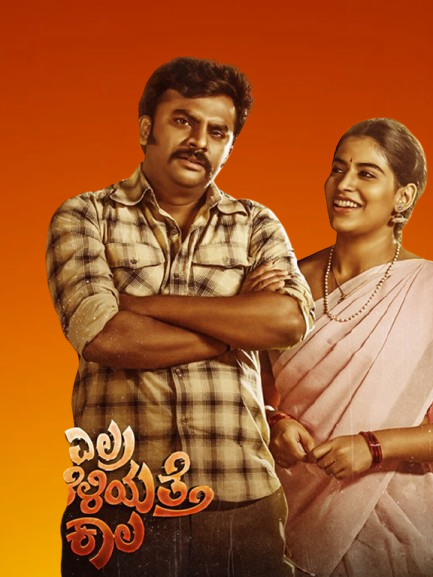
Elra Kaaleliyatte Kaala Review – A Timeless Village or a Wasted Opportunity? The Real Analysis
As a critic who has sat through hundreds of Kannada releases, I walked into Elra Kaaleliyatte Kaala expecting Chandan Shetty’s debut to either surprise me or sink under its own ambition.
Two hours later, I left with a strange feeling—admiration for the concept, frustration with the execution. This is not a bad film. It is an incomplete one.
The Core Conflict: A Professor Trapped in a Time-Loop Village
Vijay, a Bengaluru college professor obsessed with punctuality, misses the last bus in Idhnodu—a fictional village where clocks don’t work and nobody cares.
His modern anxiety collides with a community that measures time by temple bells and harvests. The setup promises a philosophical comedy about slowing down.
What we get is half that promise.
| Role | Name |
|---|---|
| Lead Actor | Chandan Shetty |
| Female Lead | Archana Kottige |
| Village Elder | H.G. Dattatreya |
| Key Support | Tara Anuradha |
| Director | Sujay Shastry |
| Writer | Rajguru Hoskote |
| Music Duo | Praveen-Pradeep |
| Cinematographer | Vishwajith Rao |
Who Is This Movie For?
This is strictly for Kannada family audiences who enjoy slow-burn rural dramas without expecting commercial masala. Fans of Chandan Shetty’s music career will show up for curiosity.
If you need tight plotting, action sequences, or a twist-heavy narrative, skip this. The film exists in a niche—appreciated by those who savor atmosphere over momentum.

Script Analysis: An Idea That Forgets Its Own Pace
The script by Rajguru Hoskote introduces a thrilling concept: a village where time is irrelevant. The first thirty minutes effectively establish Vijay’s frustration and the absurdity of frozen clocks.
But around the midpoint, the screenplay loses its grip. Scenes extend too long. Conversations that should reveal character instead repeat the same joke—”look, the city man is impatient!”—without deepening the philosophy.
The irony is painful: a film about time wastes it.
The narrative structure follows a predictable three-act arc: arrival, conflict, resolution. No subplots surprise. No secondary character challenges the protagonist meaningfully.
The logline promises satire on modern urgency, but the execution settles for gentle mockery. A sharper editor could have tightened this by twenty minutes and elevated it from mediocre to memorable.
Character Arcs: Who Actually Changes?
Chandan Shetty’s Vijay begins as a one-note stressed professor and ends as a slightly calmer version of the same. His transformation feels unearned.
We see him laugh at village life, but we never see him truly grapple with his own compulsions. The emotional weight—why is he so driven? what is he running from?—is absent.
Archana Kottige’s Vasantha fares better because she asks for less. Her warmth anchors the film, but even she lacks a personal arc beyond being the patient hotel owner who teaches the city man to breathe.

Supporting performances by Dattanna and Tara Anuradha inject life, but their characters serve as props rather than people. The village elder exists to deliver wisdom, not to struggle or learn.
The script treats its rural characters as embodiments of a philosophy, not as individuals. That is the film’s deepest flaw.
The Climax Impact: Does the Ending Satisfy?
Vijay eventually catches the bus (or chooses to stay—the ending is ambiguous). The climax leans on a sentimental speech about “time being inside us, not on clocks” that feels borrowed from a self-help book.
The emotional payoff is muted because the journey lacked friction. Compare this to films like Kantara or Katheyondu Shuruvagide, where rural settings produce genuine catharsis.
Here, the ending nods and smiles, but never grips.
| Screenplay: What Worked | Screenplay: What Didn’t |
|---|---|
| Strong initial premise of time-stopped village | Mid-section drags with repetitive jokes |
| Natural integration of 1990s nostalgia | Underdeveloped secondary characters |
| Philosophical ambition to critique modern speed | Predictable arc with no real stakes |
| Authentic Kannada dialogue style | Uneven tone—comedy vs philosophy clash |
Writer’s Execution: What the Dialogue Says
Rajguru Hoskote writes dialogue that sounds natural in the Kannada idiom. Lines like “Namma ooralli gadiyara vishwasa illa, nambike ide” (We don’t believe in clocks here, we have faith) land effectively.
But the linguistic strength cannot mask the thematic weakness. The dialogue often tells rather than shows. Characters explain the film’s message to each other instead of living it.
The best moments are quiet—Vijay watching a farmer plow without urgency—but these are too few.

Miss vs Hit Factors: What Went Right and Wrong
Hits: The cinematography by Vishwajith Rao is genuinely stunning. Golden-hour frames of paddy fields, slow pans across village lanes, and deliberate absence of digital sheen create a tactile world.
The music by Praveen-Pradeep earns its place—”Maathu Madhura” is a melodic standout that complements the rustic tone. The sound design by Girish BM deserves special mention; ambient temple bells and wind create a hypnotic soundscape that sells the timeless illusion better than any line of dialogue.
Misses: Chandan Shetty’s debut acting lacks the range needed for a role that demands both comic timing and emotional vulnerability.
He is earnest but stiff in dramatic moments. The pacing, as discussed, undermines its own theme. And the biggest miss: the film never commits. Is it a comedy?
A philosophical drama? A slice-of-life romance? It tries all three and fully satisfies none. The box office verdict—flop at ₹0.34 Cr net—reflects audience confusion, not malice.
Technical Brilliance: Music, Cinematography, Editing
Vishwajith Rao’s camera work is the film’s true lead. He captures the stillness of Idhnodu with patience—wide shots of empty roads, close-ups of cracked clock faces, and the warm glow of kerosene lamps.
The editing by Mohan L Rangakahale is competent but not sharp enough to rescue the script’s indulgences. Music is the second hero. Praveen-Pradeep’s folk-infused tracks do not merely accompany scenes; they define the film’s emotional register.
“Bareyada Saalugala” and “Gold Factory” provide lift when the narrative flags. The sound design of temple bells echoing across empty fields is a subtle masterstroke—it never lets you forget the village’s presence.

| Aspect | Rating / Comment |
|---|---|
| Story Concept | 7/10 – Fresh premise, underutilized |
| Screenplay | 5/10 – Strong start, sagging middle, weak finish |
| Lead Performance | 5/10 – Earnest but limited range |
| Supporting Cast | 7/10 – Dattanna and Tara elevate scenes |
| Cinematography | 8/10 – Stunning rural visuals |
| Music & Sound | 8/10 – Folk melodies and ambient design shine |
| Editing | 6/10 – Needs tighter trimming |
| Overall Impact | 5.5/10 – Promising but forgettable |
Frequently Asked Questions
1. Why does nobody in Idhnodu use clocks?
The film suggests the village operates on a collective belief that time is cyclical, not linear. No specific curse or magic is shown—it is presented as a cultural quirk rather than a supernatural event.
2. Does Vijay ultimately leave the village?
The ending is deliberately ambiguous. He reaches the bus stop but hesitates. The final shot shows him sitting at Vasantha’s hotel, implying he stays, but no explicit confirmation is given.
3. Is there any connection between the film’s title and its story?
Yes. “Elra Kaaleliyatte Kaala” loosely translates to “Time is passing through time.” The phrase reflects the film’s central irony: even in a timeless village, time passes—just not in the way Vijay understands it.
This analysis is based on the theatrical experience and cinematic merit.
Was this trade analysis helpful?
Your feedback helps Movierullz editors maintain trade database integrity.