Madhuvidhu Movie 2026 Movierulez Review Details
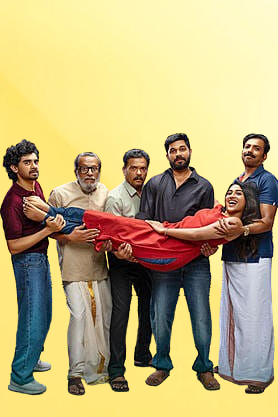
Madhuvidhu Review – A Sweet Honeymoon Comedy or Just Another Family Drama? The Real Analysis
I walked into the theatre expecting another run-of-the-mill Malayalam family comedy. What I got was a film that tries to be much more—a commentary on male ego, superstition, and the messy business of blending families. Does it succeed? Mostly, yes. But there are cracks in the honeycomb.
What Is the Story Really About?
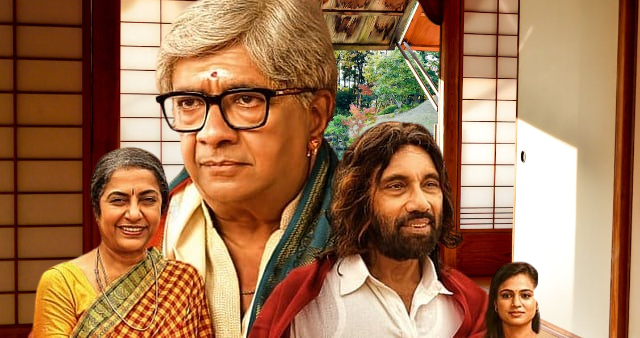
Ammu runs a café and lives in a house full of men: a widower father, a bachelor uncle, and a younger brother. After 28 failed marriage proposals, the village whispers of a curse.
Then Sneha walks in. She’s Christian, independent, and ready to break the ‘jinx.’ The wedding seems inevitable—until the second half reveals a twist that nobody saw coming.
Table 1: Main Cast & Crew
| Role | Name |
|---|---|
| Director | Vishnu Aravind |
| Lead Actor (Ammu) | Sharaf U Dheen |
| Lead Actress (Sneha) | Kalyani Panicker |
| Father (Rajkumar) | Jagadish |
| Uncle (Ambarish) | Azees Nedumangad |
| Music Composer | Hesham Abdul Wahab |
| Cinematographer | Viswajith Odukkathil |
Who Is This Movie For?
This is a film aimed squarely at the family audience—specifically, the kind of crowd that loved Thanneer Mathan Dinangal and Home.
It’s for viewers who enjoy slow-burn comedy with a heart, not slapstick or action. Couples, parents, and small-town multiplex-goers will find it relatable.

If you’re looking for edge-of-the-seat drama, look elsewhere.
Script Analysis: Flow, Logic, and Pacing
The first half is deliberately slow. The writers, Bibin Mohan and Jai Vishnu, take their time introducing each male character and their quirks. Too much time, honestly.
The pacing drags until the interval, where a genuine narrative curveball wakes the audience up. The second half tightens considerably, but the final 20 minutes feel rushed—emotional beats are skipped in favor of quick comedic resolutions.
The logic holds up within the film’s universe, but the ‘curse’ device is underused and eventually forgotten.
Character Arcs: Did Anyone Grow?
Ammu’s arc is the strongest. He starts as a passive victim of his family’s superstition and evolves into someone who actively fights for his relationship.
Sneha, however, is underwritten—she’s more of a plot device than a person. The father (Jagadish) and uncle (Azees) get moments of genuine vulnerability, particularly in the third act, but their transformations feel rushed.

The younger brother Vimal is wasted comic relief.
The Climax Impact: Did It Satisfy?
The wedding-crisis climax is satisfying in theory but executed with a limp. The resolution hinges on a sudden realization by the patriarch that feels earned—but the film cuts away too quickly to the celebratory song.
You want one more scene of the couple breathing together. It’s a missed emotional payoff.
Table 2: Screenplay Highs & Lows
| What Worked | What Didn’t |
|---|---|
| Interval twist genuinely surprises | First half pacing is too slow |
| Comic timing of Azees & Jagadish | Sneha’s character is a cardboard cutout |
| Second half situational humor | Curse subplot fizzles out |
| Emotional weight of father-son scenes | Final resolution feels rushed |
Writer’s Execution: Dialogue Quality
The dialogues are a mixed bag. The comedy lines land well—especially the uncle’s misogynistic-but-funny one-liners, which later get a redemptive arc.
The romantic exchanges between Ammu and Sneha are functional but forgettable. Where the writing shines is in the argument scenes between the two families; the words feel authentic, not scripted.
However, there’s an over-reliance on the ‘cursed house’ joke well past its expiration date.

Miss vs Hit Factors: What Went Right vs Wrong
Hits: The central premise is relatable—every Indian family has that one ‘jinxed’ relative. The male-dominated household dynamic is mined for genuine laughs without being cruel. Sharaf U Dheen’s performance anchors the film with a deadpan sincerity that elevates weak material.
Misses: The female lead is reduced to a passive prize. The film misses a chance to explore her perspective or give her agency beyond being ‘the one who breaks the curse.’ The VFX for the living portraits is distractingly bad—too cartoonish for a film that otherwise aims for realism.
And the third act abandons the ‘curse’ theme entirely, leaving a narrative hole.
Technical Brilliance: Music, Cinematography, and Editing
Hesham Abdul Wahab’s music is the film’s secret weapon. The songs are placed perfectly, especially ‘Mellave Mellave’ which underscores the growing romance.
The background score is subtle but effective, never overpowering the dialogue. Viswajith Odukkathil’s cinematography is clean and warm—he uses natural light to make the house feel lived-in and real.
The editing by Christy Sebastian is competent but could have trimmed 15 minutes from the first half without losing character development.

Table 3: Story vs. Visuals
| Aspect | Rating/Comment |
|---|---|
| Plot Originality | 6/10 – Familiar but has a fresh twist |
| Visual Aesthetic | 8/10 – Warm, earthy, inviting |
| Music Integration | 9/10 – Songs elevate emotional beats |
| VFX Execution | 4/10 – Laughably bad portrait animation |
| Overall Cohesion | 7/10 – Good, not great |
Frequently Asked Questions (Plot-Related)
Is the ‘curse’ actually supernatural or just a metaphor?
It’s left ambiguous. The film shows animated portraits bickering, which suggests a supernatural layer, but the resolution implies the curse was just collective superstition masking poor communication. Die-hard realists might find this unsatisfying.
Why does Sneha agree to marry into such a chaotic family so quickly?
The film doesn’t explain this well. She’s written as a ‘free-spirited modern girl’ who finds the family’s eccentricities charming. It’s a convenient plot device rather than a psychologically motivated choice. This is a weak point in the screenplay.
What exactly happens in the interval twist?
Spoiler: The wedding is called off—not by the families, but by Sneha herself, after she discovers a secret about Ammu’s past that shakes her trust. It’s a genuine ‘oh no’ moment that resets the stakes for the second half. This twist saves the film from being predictable.
This analysis is based on the theatrical experience and cinematic merit.
Was this trade analysis helpful?
Your feedback helps Movierullz editors maintain trade database integrity.