Na Jaane Kaun Aa Gaya Movie 2026 Movierulez Review Details
Na Jaane Kaun Aa Gaya Review – A Quietly Devastating Portrait of a Marriage or a Slow-Burn Misfire? The Real Analysis
As a critic, I’m drawn to films that dare to sit in the uncomfortable silence between people, and this one promises exactly that. But does it deliver a profound emotional truth, or does it simply linger too long in its own melancholy?
The Core Conflict
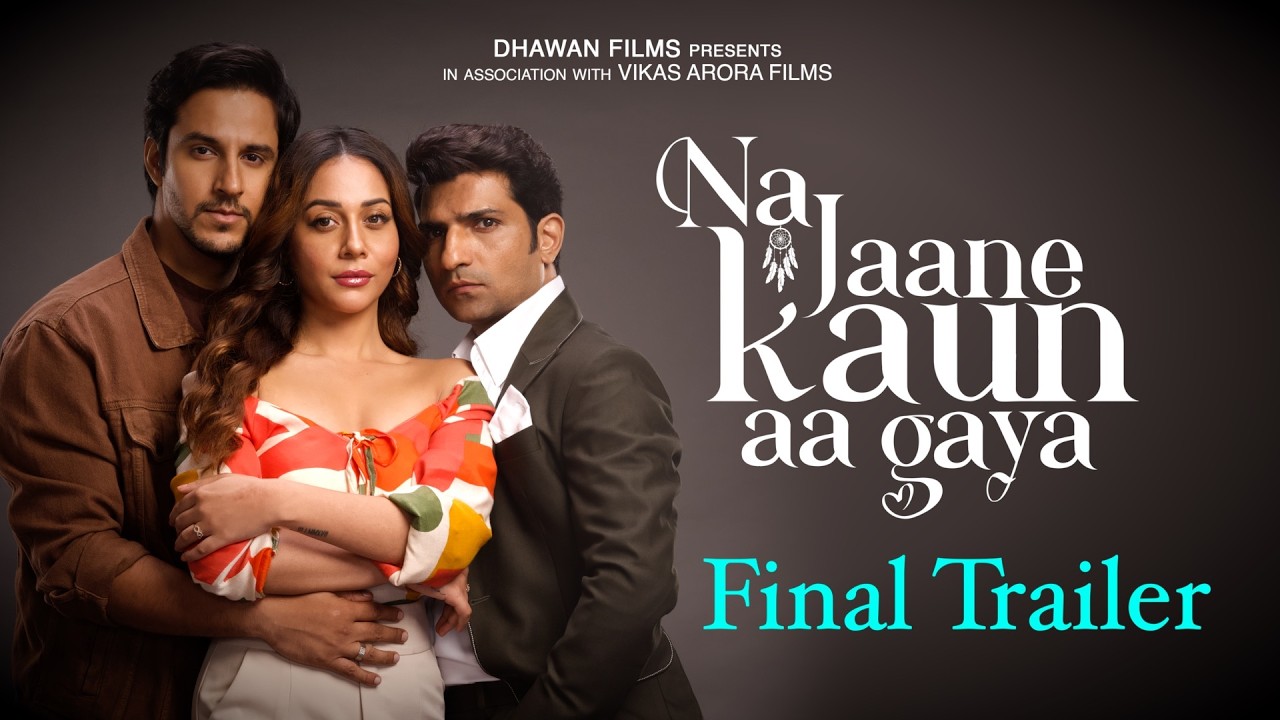
Kaushal Agarwal’s meticulously ordered world shatters when his wife, Tina, vanishes. His search for her becomes a descent into a more painful truth: her affair with the enigmatic Veer.
The film is less a mystery thriller and more a forensic examination of a marriage’s corpse, exploring the guilt, yearning, and quiet devastation left in the wake of betrayal.
| Role | Name |
|---|---|
| Director/Writer/Editor | Vikas Arora |
| Kaushal Agarwal | Jatin Sarna |
| Tina | Madhurima Roy |
| Veer | Pranay Pachauri |
| Cinematography | Shanu Singh Rajput & Pappu Singh Rajput |
| Music | Devendra Ahirwar, Prini Siddhant Madhav, Kartik Kush |
Who Is This Movie For?
This is niche, adult-oriented cinema. It’s for viewers who seek emotional realism over escapism, who appreciate a slow, character-driven pace, and who don’t require tidy resolutions.
If you gravitate towards introspective dramas about relational fracture, this will resonate. Fans of fast-paced plots or clear moral binaries should steer clear.
Script Analysis: The Strength and Curse of the Unsaid
Vikas Arora’s screenplay is structurally ambitious, employing a non-linear narrative to mirror the fragmented memory of trauma. The flow is deliberate, peeling back layers of the affair and the marriage with the patience of a therapist. This is its greatest strength and its primary risk.
The logic of the emotional journey is sound—the erosion of intimacy, the allure of the new, the paralysis of discovery. However, the pacing often tips from deliberate into languid.
Scenes breathe, sometimes to the point of expiring, relying heavily on the actors and the scenery to carry momentum that the script itself occasionally withholds.
Character Arcs: The Triangle’s Unequal Sides
Madhurima Roy’s Tina is the film’s complex heart. Her arc from stifled wife to guilt-ridden lover is portrayed with a potent, silent ache. Pranay Pachauri’s Veer is effectively understated, more a symbol of emotional availability than a fully fleshed man, but he serves his narrative purpose.
The problematic arc belongs to Jatin Sarna’s Kaushal. The script demands a transformation from rigid control to shattered vulnerability, but Sarna’s performance often feels externally calibrated.
The chemistry with Roy lacks the lived-in history needed to make the loss truly piercing, leaving his grief feeling somewhat observed rather than wholly inhabited.
The Climax Impact: A Whisper, Not a Bang
Do not expect a dramatic, shouting-in-the-rain confrontation. The climax is a quiet culmination of realizations. It favors psychological resolution over physical drama, focusing on the bleak acceptance and the uncertain path forward.

It is thematically consistent and will satisfy viewers who appreciate realism. Those craving cathartic release or moral comeuppance will find it frustratingly open-ended.
| What Worked | What Didn’t |
|---|---|
| Mature, non-melodramatic handling of infidelity. | Pacing that risks losing audience engagement. |
| Strong, nuanced central performance from Madhurima Roy. | Jatin Sarna’s uneven and sometimes stiff portrayal. |
| Effective non-linear structure building intrigue. | Forgettable musical score that fails to elevate. |
| Breathtaking, naturalistic cinematography of Bhimtal. | Limited broader appeal due to niche focus. |
Writer’s Execution: Dialogue of Glances
The dialogue here is sparse and often utilitarian. The real “writing” is in the silences, the loaded glances, and the spaces between words. When characters do speak, it feels authentic to their emotional states—awkward, pained, or evasive.
There are no grand, quotable monologues, which serves the film’s vérité style but offers few memorable verbal moments.
Miss vs Hit Factors: A Tale of Two Halves
The hit factors are clear: a courageous focus on emotional truth, a stunning visual palette that becomes a character itself, and a director with a confident, patient point of view. The film understands that the biggest explosions happen inside a person’s soul.
The miss factors are equally evident. The central casting imbalance undermines the core relationship. The glacial pace, while intentional, isn’t always earned by deep enough character excavation. It’s a film that achieves its atmosphere at the cost of consistent narrative propulsion.
Technical Brilliance: Where the Film Truly Lives
This is a beautifully crafted film. The cinematography by the Rajputs is the standout star. They capture Bhimtal not as a mere backdrop but as a reflective, almost cleansing force—the sunlight and water contrasting with the murky emotional turmoil.
The editing maintains the non-linear coherence smoothly. The sound design is subtle and immersive, though the original songs, while fitting, vanish from memory the moment the film ends.
| Aspect | Rating / Comment |
|---|---|
| Story & Emotional Depth | 7/10 – Thoughtful and mature, but lacks catalytic energy. |
| Visual Storytelling & Cinematography | 9/10 – Absolutely luminous. Carries the film’s emotional weight. |
| Character Realization | 6/10 – Roy excels, but the pivotal male lead falters. |
| Pacing & Audience Engagement | 5/10 – A significant hurdle for non-specialist viewers. |
| Overall Execution of Vision | 7/10 – A flawed but admirably earnest indie achievement. |
Frequently Asked Questions (FAQs)
Is the mystery of Tina’s disappearance solved?
Yes, but the “why” is the film’s true subject. The physical mystery is resolved to service the deeper exploration of emotional cause and effect.
Does the film justify or glorify the affair?
No. It avoids moral judgment, opting instead for a painful examination of how and why people drift, betray, and break. It portrays the affair as a symptom, not a romantic ideal.
Is there a hopeful ending?
Hopefulness is ambiguous. The ending suggests the beginning of acceptance and self-realization, which is its own form of hope, but it is starkly devoid of traditional reconciliation or romantic solace.
This analysis is based on the theatrical experience and cinematic merit.