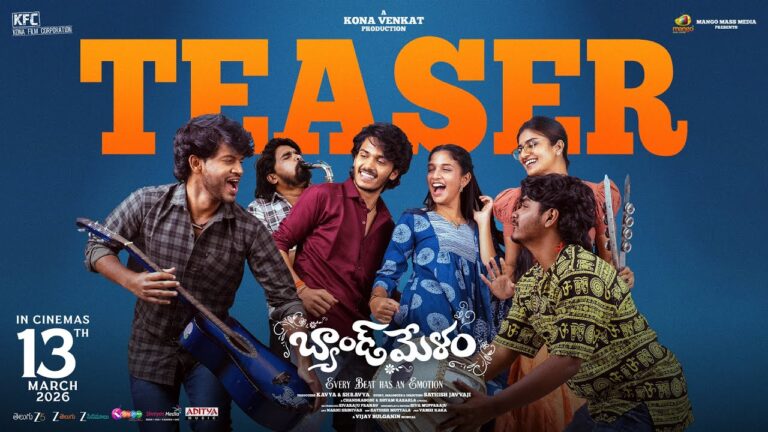
Mustafa Mustafa Movie 2026 Movierulez Review Details
Mustafa Mustafa Review – A Viral Farce or a Cautionary Tale? The Real Analysis
As a critic who has watched the social media generation evolve from a subplot to the main event, I walked into *Mustafa Mustafa* with a weary skepticism. Can a film built around a TikTok-style premise offer anything more than fleeting, algorithmic laughs?
The Core Conflict
Mustafa (Sathish), an average young man, sees his life implode when a short, decontextualized video clip of him goes viral. The clip, damning in its implication, turns friends into skeptics, threatens his relationship, and makes him a public punchline.
His desperate attempts to deny and explain spiral into a farcical web of white lies, forcing him to navigate the brutal court of public opinion where truth is irrelevant and perception is everything.
| Role | Name |
|---|---|
| Mustafa | Sathish |
| Director & Writer | Praveen Saravanan |
| Female Lead | Monica Chinnakotla |
| Supporting Lead | Suresh Ravi |
| Music Director | M.S. Jones Rupert |
| Cinematographer | K.S. Vishnu Shri |
Who Is This Movie For?
This film squarely targets the native digital audience—Gen Z and younger millennials who instinctively understand the social currency and destructive power of a viral moment. It’s for viewers who find humor in screen recordings, WhatsApp group chaos, and the anxiety of the “seen” tick.
Fans of Sathish’s brand of everyman, reactive comedy will find a committed central performance. However, those seeking profound social commentary or nuanced drama will find the treatment decidedly lightweight.
Script Analysis: The Double-Edged Swipe
Praveen Saravanan’s script is clever in its construction but conventional in its destination. The initial setup is sharp and painfully relatable. The mechanics of how a minor incident metastasizes into a life-altering event are depicted with a chaotic, believable energy.
The pacing, however, suffers from a repetitive middle act. The cycle of “lie discovered, new lie fabricated” becomes predictable. The script relies heavily on the ensemble cast’s comic timing to buoy scenes that are structurally similar.
It understands the *how* of viral culture but only scratches the surface of the *why*, opting for easy laughs over deeper interrogation.
Character Arcs: The Static Center of the Storm
Mustafa, as a character, is more a catalyst for chaos than a vessel for growth. Sathish plays him with a sympathetic panic, but the arc is simplistic: a man drowning in his own deceptions learns to tell the truth. The real “arc” is external—the world around him learning to be less judgmental.
The supporting characters—friends, girlfriend, family—are largely functional types. They serve as representatives of societal pressure: the loyal friend, the doubting lover, the dismissive elder.
Their shifts in allegiance drive the plot, but they don’t undergo significant internal journeys themselves. The film is a situational comedy first, a character study a distant second.
The Climax Impact: A Neat, Network-Speed Resolution
The climax hinges on the inevitable revelation of the truth, often through another convenient piece of media. It provides narrative satisfaction and a clear moral lesson about honesty and hasty judgment. The emotional payoff is sweet but safe.
It ties the plot threads with a tidy bow, offering the comfort of resolution that real-life viral scandals rarely do. It feels designed for a feel-good finale rather than a challenging, lingering question.

| What Worked | What Didn’t |
|---|---|
| The core premise is timely and engaging. | The middle act sags with repetitive comedic beats. |
| Sathish’s committed, anchor performance. | Supporting characters lack depth and agency. |
| Effective, chaotic pacing in the first act. | The moral resolution is overly simplistic. |
| Relatable depiction of social media mob mentality. | Misses chances for sharper satire. |
Writer’s Execution: Dialogue in the Digital Dialect
The dialogue is the film’s strongest technical asset. It crackles with the authentic, abbreviated, and often hilarious vernacular of online-native youth. The conversations in friend groups, filled with memes, references, and rapid-fire teasing, feel lived-in.
Where it stumbles is in the more earnest, emotional scenes. The shift from digital-age sarcasm to heartfelt sincerity can feel jarring, as if the script switches languages. The film is far more comfortable making you laugh at its world than making you feel for it.
Miss vs Hit Factors: Why It Resonates (And Where It Falters)
The hit factor is undeniable: relevance. It holds a mirror to a universal modern anxiety. The comedy, derived from notification panic and screenshot paranoia, lands because it’s rooted in real behavior. Sathish’s casting is a hit—he embodies the “unlucky everyman” perfectly.
The miss is a lack of ambition. The film is content to be a comedy about a viral video, not a true critique of the ecosystem that creates them.
It identifies the symptom but avoids diagnosing the disease. The visual execution, while competent, doesn’t innovate in the way its subject matter might allow.
Technical Brilliance: A Filtered Reality
K.S. Vishnu Shri’s cinematography creates a bright, saturated world that mirrors the curated feel of an Instagram feed. The use of on-screen graphics, split-screens, and UI overlays is effective, if not groundbreaking, in translating the digital experience.
M.S. Jones Rupert’s music provides a peppy, contemporary backdrop. The songs are functional but not particularly memorable. The editing by Dinesh Ponraj is crucial, mimicking the rapid-cut, attention-deficit style of scrolling, which fuels the comedic chaos but can feel exhausting.
| Aspect | Rating / Comment |
|---|---|
| Story Concept | 8/10 – Brilliantly of-the-moment. |
| Character Depth | 5/10 – Functional, not profound. |
| Visual Innovation | 6/10 – Competent but safe. |
| Social Commentary | 6/10 – Skims the surface. |
| Overall Engagement | 7/10 – Fun, familiar, but fleeting. |
Frequently Asked Questions
What is the viral video about in Mustafa Mustafa?
The exact content is a MacGuffin—it’s a short clip that appears to show Mustafa in a compromising or morally questionable situation, the context of which is misunderstood by the public.
Is this a sequel or related to the old song “Mustafa Mustafa”?
No. The title is likely used for its catchy, repetitive quality and perhaps to evoke a sense of nostalgic familiarity, but the film has no narrative connection to the classic song.
Does the film have a message about social media use?
Yes, but it’s a broad one: don’t believe everything you see online, and don’t be quick to judge. It’s more a lesson in personal responsibility than a systemic critique of platform algorithms.
This analysis is based on the theatrical experience and cinematic merit.