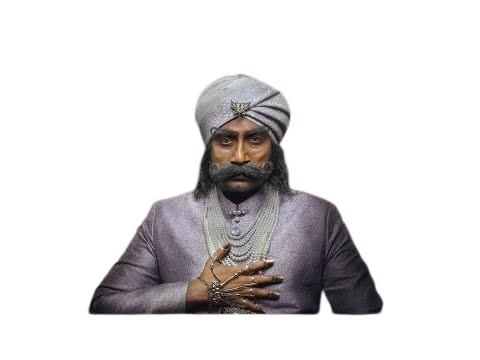
Razor Ravi Babu Movie 2026 Movierulez Review Details
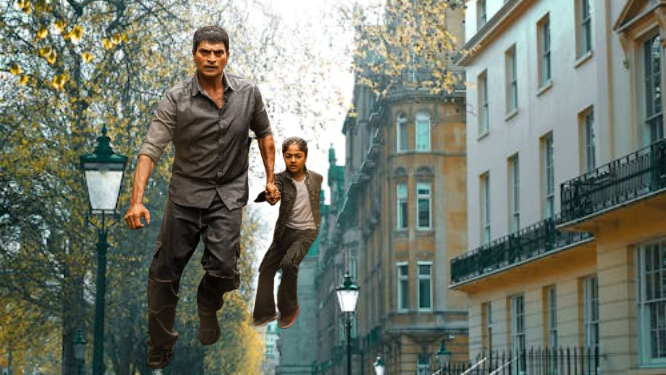
Razor (2026) Review – A Sharp Survival Thriller or Just Another Routine Chase? The Real Analysis
I walked into the theater expecting a gritty comeback from Ravi Babu, but what I got was a film that balances razor-sharp tension against a disappointingly blunt narrative. Let me dissect exactly where this Telugu action-thriller cuts deep and where it simply nicks the surface.
Synopsis: The Core Conflict
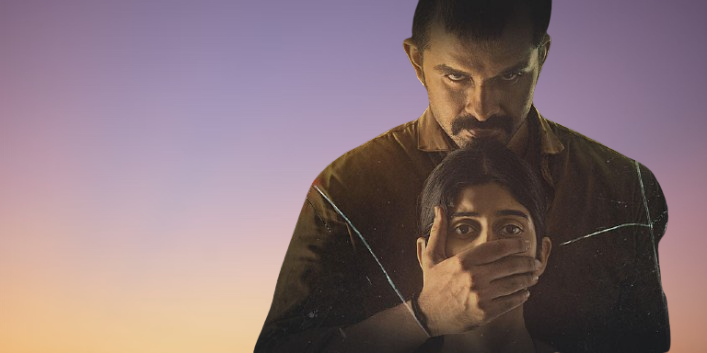
A dog groomer named Rudra stumbles into a nightmare when he protects a young girl whose parents were murdered for possessing CCTV footage of a political assassination.
The Home Minister wants that footage destroyed, and Rudra must survive a city-wide manhunt while decoding the clues left behind by the dead father.
| Role | Name |
|---|---|
| Lead Actor | Ravi Babu |
| Director | Ravi Babu |
| Cinematographer | Charan Madhavneni |
| Music Composer | Rajesh S.S. |
| Editor | Rithvik Tammarreddy |
| Action Director | Satish Palloju |
| Producer | Ravi Babu & Daggubati Suresh Babu |
Who Is This Movie For?
This is strictly for viewers who appreciate survival-driven thrillers with minimal songs and maximum tension. If you expect commercial Telugu masala with item numbers and mass elevation scenes, you will feel cheated.
The target audience is niche—fans of Ravi Babu’s experimental filmography and those who enjoy claustrophobic, urban chase narratives like “The Guest” or “A Wednesday.” Casual multiplex crowds will find it too slow in the second half.
Script Analysis: Flow, Logic, and Pacing
The first act is tight, almost surgical in its efficiency. The murder setup, the CCTV footage discovery, and Rudra’s accidental involvement happen within twenty minutes, establishing stakes immediately.
The script intelligently uses the “Golkonda” code as a breadcrumb trail, giving the chase a puzzle-like structure that keeps the audience engaged.

However, the second act suffers from repetition. Rudra and Teju hide, get discovered, run again, hide again—the cycle lacks escalation. The script abandons logical police procedure entirely; officers conveniently disappear when the plot needs isolation.
By the third act, you feel the screenplay stretching its premise thin, relying on convenience rather than consequence.
Character Arcs: Did Characters Grow?
Ravi Babu’s Rudra begins as a passive, ordinary man—a dog groomer with no combat skills. His arc is meant to show an ordinary person rising to extraordinary circumstances, but the transformation feels rushed.
One moment he is fleeing, the next he is fighting like a trained operative, with no intermediate learning curve. The child Teju remains a functional MacGuffin; she triggers emotion but has no agency or character evolution herself.
The villain, the Home Minister, is completely one-dimensional. He exists only as a threat, never as a character with motivations or vulnerabilities. The dead parents, Vishnu and Inaya, are relegated to flashback devices, their personalities reduced to “loving parents who died nobly.” This lack of depth weakens the emotional gravity of the entire plot.
The Climax Impact: Did the Ending Satisfy?
The climax is a mixed bag. The final confrontation between Rudra and the Home Minister’s henchmen is physically intense, with Satish Palloju’s choreography shining in tight, close-quarters combat.
The revelation of the hidden footage is clever—hidden in a dog collar, paying off Rudra’s profession thematically.
But the resolution feels rushed. The corrupt system collapses too easily, and the villain’s defeat lacks the poetic justice the film was building toward.

A thriller of this nature needs a cathartic, earned ending; instead, we get a functional one that ties loose knots but leaves no emotional residue.
| What Worked | What Didn’t |
|---|---|
| First act pacing and setup | Repetitive chase sequences in second half |
| Golkonda code as narrative device | Rudra’s skill upgrade feels unearned |
| Claustrophobic urban atmosphere | Underwritten antagonist |
| Emotional bond between Rudra and Teju | Logical gaps in police presence |
| Dog collar climax payoff | Rushed third act resolution |
Writer’s Execution: Dialogue Quality
The dialogue is functional but rarely memorable. Ravi Babu as writer keeps conversations minimal, relying on visual storytelling rather than verbose exchanges.
This works for the thriller tone but leaves little quotable material. Key emotional beats—like Rudra explaining why he cannot abandon Teju—feel delivered as exposition rather than organic character revelation.
The Telugu dialogues are crisp and natural, but they lack the sharp, layered subtext that elevates thriller dialogues into cinematic poetry.
Miss vs Hit Factors: What Went Right vs Wrong
The Hit: The premise is genuinely strong. A CCTV footage, a child witness, a political murder—this is solid thriller architecture. Ravi Babu’s decision to play a vulnerable, ordinary man instead of a macho hero is brave and refreshing.
The first twenty minutes are masterfully executed, hooking you with efficiency and economy of storytelling. The dog-groomer profession is unique and used thematically, a rare intelligent touch in Telugu cinema.
The Miss: The film does not trust its own premise. Instead of deepening the conspiracy or exploring the moral ambiguity of protecting a child through violence, it falls back on formulaic chase-and-escape patterns.
The second half reveals that the writers had one strong idea but no roadmap to sustain it. The antagonists remain cardboard-cutout villains, robbing the conflict of genuine menace.

The film’s refusal to commit to either pure realism or stylized action leaves it in an unsatisfying middle ground.
Technical Brilliance: Music, Cinematography, and Editing
Charan Madhavneni’s cinematography is the film’s strongest asset. He uses long, handheld takes during chase sequences, placing the audience inside the panic.
The color palette leans heavily on desaturated blues and grays, reinforcing the bleak, survivalist tone. Night sequences are lit with practical sources—streetlights, car headlights, phone screens—making the world feel lived-in and dangerous.
Rajesh S.S.’s background score is effective but repetitive. The same tension-building drone recurs across multiple scenes, diminishing its impact. The sound design, however, is excellent: footsteps echo in empty corridors, distant gunshots ring with spatial accuracy, and the Dolby Atmos mix places you inside the chaos.
Editing by Rithvik Tammarreddy is sharp in action sequences but loses rhythm in the second act’s slower passages.
| Aspect | Rating/Comment |
|---|---|
| Story Originality | 7/10 – Strong premise, formulaic execution |
| Screenplay Structure | 6/10 – Tight first half, sagging second half |
| Character Development | 5/10 – Rudra functional, villains shallow |
| Cinematography | 8/10 – Gritty, immersive, handheld brilliance |
| Background Score | 6.5/10 – Effective but repetitive |
| Action Choreography | 7.5/10 – Realistic, close-quarters intensity |
| Dialogue | 6/10 – Functional, not memorable |
| Climax Satisfaction | 6.5/10 – Clever twist, rushed resolution |
| Technical Polish (VFX/Sound) | 7/10 – Restrained VFX, excellent sound design |
| Overall Entertainment | 6.5/10 – One-time watch for thriller fans |
Frequently Asked Questions
1. What does “Golkonda” mean in the film’s context? It is a coded reference to a location where the incriminating CCTV footage is hidden.
Vishnu whispers it to his daughter before dying, and Rudra must decode it by connecting the word to specific landmarks and objects in their shared past.
2. Is Razor connected to Ravi Babu’s previous films? No, this is a standalone story. However, fans of his earlier experimental thrillers like “Anando Brahma” will recognize his signature style: a high-concept premise executed on a modest budget with emphasis on atmosphere over spectacle.

3. Why does Rudra risk his life for a stranger’s child? The film implies that Rudra has a traumatic past involving loss of family, though this backstory is only hinted at through brief flashbacks.
His decision is driven by guilt, empathy, and a subconscious need for redemption, but the script never fully explores this motivation, leaving it as an implied rather than earned character choice.
This analysis is based on the theatrical experience and cinematic merit.
Was this trade analysis helpful?
Your feedback helps Movierullz editors maintain trade database integrity.