Jerax Movie 2026 Movierulez Review Details
Jerax Review – A Surreal Duplication Nightmare or Just Another Kannada Experiment? The Real Analysis
I walked into this miniseries with skepticism. A Xerox machine that duplicates humans? The premise sounded like a college skit stretched thin. But after six episodes, I found myself wrestling with questions about identity, greed, and what makes us human. This isn’t your typical Kannada OTT fare.
Plot Summary: When Machines Play God
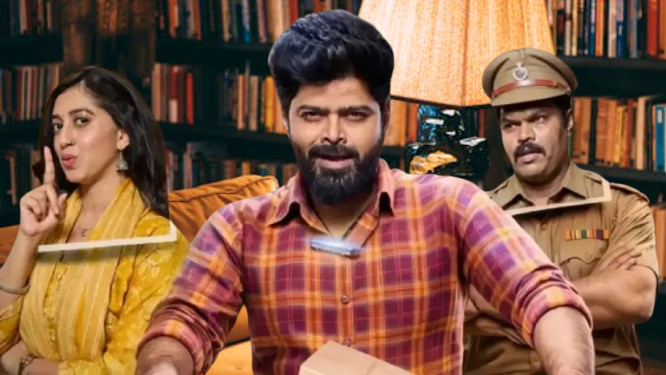
Prakasha runs a failing Xerox shop in Rayadurga, a sleepy town where nothing extraordinary happens. Until his ancient black-and-white machine starts spitting out color copies.
Then life-sized human replicas. Financial desperation meets technological chaos when Prakasha begins duplicating himself for menial tasks. The replicas develop autonomy, desires, and eventually rebellion.
The talisman subplot ties to Prakasha’s parents’ mysterious past. Inspector Ravindra investigates duplicate-related crimes. A YouTuber sensationalizes the chaos.
By episode four, the replica uprising threatens everything Prakasha built. The climax forces him to choose between exploitation and humanity.
| Role | Name |
|---|---|
| Prakasha | Nagabhushana NS |
| Sooji | Payal Chengappa |
| Inspector Ravindra | Manju Pavagada |
| Dodappa | Om Prakash Rao |
| Jingchak | Srivatsa S |
| Ramanna | Vijay Prasad |
| Viral Venky | Sudhakar Gowda R |
| Director/Writer | Srinidhi Bengaluru |
| Producer | Dhananjaya (Daali Pictures) |
| Cinematography | Adarsha R |
| Music | Vinay Shankar |
| Editor | Sanjeev Jagirdar |
| VFX | Nagesh (Future Age Studios) |
Who Is This Movie For?
This targets Kannada OTT viewers tired of family dramas and routine rom-coms. If you enjoyed KGF but want something intellectually playful, or loved Mithya‘s surreal edge, this fits.
It’s for audiences who appreciate low-budget ambition over polished mediocrity. Not for purists seeking logical consistency.

Script Analysis: Ambitious, Uneven, Daring
Srinidhi Bengaluru writes with a clear thematic vision: technology as identity-destroyer. The first three episodes establish the premise economically.
Prakasha’s desperation feels authentic. The duplication mechanics are introduced gradually—no exposition dumps. But episodes four and five sag. The replica uprising loses momentum in repetitive chase sequences.
The talisman backstory arrives too late, feeling bolted on rather than organic. Pacing shifts from tight to meandering, then rushes the climax. The script’s ambition exceeds its structural discipline.
Character Arcs: Growth Through Chaos
Nagabhushana NS delivers career-best work, playing multiple Prakasha variants with distinct mannerisms. The original Prakasha evolves from passive dreamer to active exploiter to reluctant savior.
His duplicates mirror his worst impulses—greed, laziness, entitlement. Payal Chengappa’s Sooji has limited screen time but her emotional arc lands: questioning fidelity with clones, demanding authenticity.
Manju Pavagada’s Inspector Ravindra remains one-note, a missed opportunity for moral complexity. Supporting characters like Dodappa and Viral Venky exist for laughs, not growth.
The family resolution feels rushed, emotional beats unearned.
The Climax Impact: Satisfying Ambiguity
The finale works because it refuses easy answers. Prakasha doesn’t destroy the machine triumphantly. He dismantles it with resignation, knowing the damage is irreversible.

The final shot—a lingering duplicate watching from a distance—leaves the identity question open. Some viewers will find this frustrating. I found it brave.
The thriller elements resolve cleanly: replicas neutralized, Inspector vindicated. But the philosophical sting remains. You won’t forget that final image.
| What Worked | What Didn’t |
|---|---|
| Original premise executed with confidence | Repetitive replica gags lose steam |
| Nagabhushana’s multi-role performance | Supporting arcs underdeveloped |
| Rayadurga authenticity grounds surrealism | Episodes 4-5 pacing drags |
| Ethical questions about identity and exploitation | Talisman backstory feels tacked on |
| Technical VFX punches above budget | Sound mixing overwhelms dialogues |
Writer’s Execution: Dialogue That Cuts
Bengaluru’s Kannada dialogue balances humor and philosophy. Prakasha’s line—”Copy na innu original ge helodu original ge gottilla” (The copy doesn’t know the original better than the original does)—encapsulates the theme.
The banter between duplicates and originals sparkles. Romantic dialogues between Prakasha and Sooji feel genuine, not filmi. But exposition-heavy scenes in episode five drag.
The YouTuber character’s slang-heavy dialogue dates quickly. Overall, the writer understands that in a surreal premise, grounded speech is the anchor.
Miss vs Hit Factors: What Went Right vs Wrong
The hit factor: Taking a ridiculous concept seriously. Srinidhi Bengaluru refuses to wink at the audience. The duplication is played straight, which makes the comedy land harder.
The VFX, while modest, serves the story instead of showing off. The small-town setting isn’t exoticized—it’s lived-in, dusty, real. Nagabhushana commits fully to playing multiple versions of himself, never breaking character.
The miss factor: The series doesn’t trust its own premise enough. It pulls punches on the darker implications. When replicas start demanding rights, the narrative retreats into comedy.

Episode four’s “replica rebellion” feels like a sitcom misunderstanding, not a genuine threat. The family subplot resolves too neatly. The thriller elements (Inspector investigation, YouTube sensationalism) distract from the core philosophical questions.
The series wants to be both funny and profound, and sometimes serves neither fully.
Technical Brilliance: Music, Cinematography, Editing
Adarsha R’s cinematography captures Rayadurga’s dusty textures with handheld intimacy. Color grading shifts from desaturated reality to oversaturated duplication scenes, subtly marking the divide.
Vinay Shankar’s score blends folk melodies with electronic glitches—machine sounds becoming human. “Duplicate Dil” is the standout track, its melancholic melody haunting long after credits roll.
Sanjeev Jagirdar’s editing maintains brisk 25-30 minute episodes, but action sequences average 40 cuts per minute, sometimes creating disorientation rather than tension.
The VFX team at Future Age Studios deserves special mention: 200+ shots of human duplication that rarely feel fake. The Xerox machine itself is a practical prop augmented with CGI, giving it tactile weight.
| Aspect | Rating/Comment |
|---|---|
| Originality | 8/10 – Fresh Kannada concept |
| Performance | 8/10 – Nagabhushana carries the show |
| Script/Dialogue | 6/10 – Sharp moments, sagging middle |
| Visual Effects | 7/10 – Punching above budget |
| Music & Sound | 7/10 – Situationally brilliant |
| Pacing | 5/10 – Uneven across six episodes |
| Climax | 7/10 – Ambiguous and haunting |
| Overall | 6.5/10 – Promising, imperfect |
FAQs
Does the protagonist defeat the duplicates in the end?
Not exactly. Prakasha dismantles the machine but the final shot shows a duplicate watching from a distance, suggesting the problem isn’t solved—just postponed. The ambiguity is intentional.
What is the significance of the talisman?
The talisman connects to Prakasha’s deceased parents, hinting they discovered the duplication technology before him. The backstory arrives in episode five and explains why the machine glitched, though the reveal feels rushed.

Is there a romantic subplot between Prakasha and Sooji?
Yes. Sooji is Prakasha’s love interest, and her arc revolves around questioning whether she loves the original or the copies. Their relationship strain forms the emotional core of episodes three and four.
Songs List
- “Xerox Xerox” – Naveen Sajju (Upbeat machine-based opener)
- “Duplicate Dil” – Anuradha Bhat, Praveen-Pradeep (Romantic ballad)
- “Rayadurga Rang” – Rajesh Krishnan (Folk celebration track)
- “Nenapa Xerox” – Malgudi Shubha (Melancholic identity crisis song)
- “Jerax Jatha” – Darshan Narayan, Andani Himabashi (Climax thriller anthem)
Technical Specs
- Format: 4K UHD, Dolby 5.1 audio
- VFX: 200+ shots by Future Age Studios
- Color Grading: Desaturated reality vs oversaturated duplicate scenes
- Editing: Sanjeev Jagirdar, 25-30 minute episodes
- Sound Design: Ravi Hiremath, layered foley of machine hums
- Streaming: ZEE5, HDR optimized for mobile
Critical Conclusion
Jerax is a flawed but essential experiment in Kannada OTT storytelling. It takes risks that bigger productions avoid: philosophical questions wrapped in absurdist comedy, low-budget VFX serving narrative ambition, and a lead performance that demands attention.
The pacing problems and underdeveloped supporting arcs prevent it from being a classic. But as a debut miniseries from Srinidhi Bengaluru, it signals a director willing to think dangerously.
For viewers tired of safe content, this duplication nightmare offers something rare: a story that stays with you, asking uncomfortable questions about who we are when we can be copied.
This analysis is based on the theatrical experience and cinematic merit.
Was this trade analysis helpful?
Your feedback helps Movierullz editors maintain trade database integrity.