29 Movie 2026 Movierulez Review Details

29 (2026) Review – Does This Age-Gap Romance Deliver Authentic Emotion or Stale Tropes?
I walked into the theatre skeptical. Another Tamil romantic drama banking on an age-gap premise and a viral single. But Rathna Kumar has a track record of pulling heartstrings without cheap manipulation.
The question is whether 29 earns its emotional payoff or coasts on nostalgia and a good soundtrack. Let’s break it down scene by scene.
The Core Conflict in One Breath
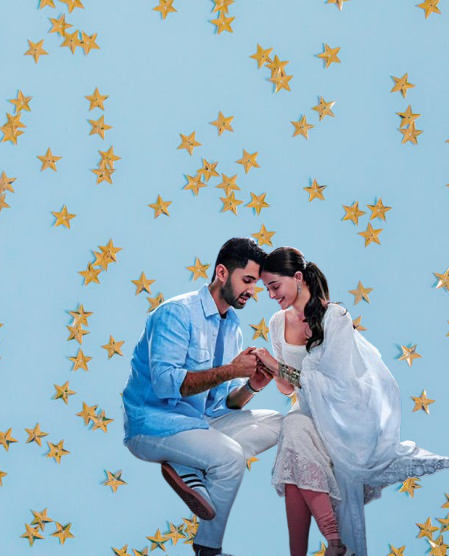
Sathya (Vidhu) is staring down thirty, stuck in a loop of career pressure and societal expectations. Viji (Preethi Asrani) is twenty-one, impulsive, and ready to dive into love without a safety net.
Their eight-year gap isn’t just a number—it’s a chasm of timing, maturity, and fear. The film asks: can two people at different life stages meet in the middle without losing themselves?
| Role | Name |
|---|---|
| Director / Writer | Rathna Kumar |
| Lead Actor (Sathya) | Vidhu |
| Lead Actress (Viji) | Preethi Asrani |
| Music Composer | Sean Roldan |
| Cinematographer | Madhesh Manickam |
| Editor | RS Sathish Kumar |
| Key Supporting Cast | Master Mahendran, Avinash, Shenaz Fathima, Leona Lishoy |
| Producers | Karthik Subbaraj, Lokesh Kanagaraj |
1. Who Is This Movie For?
This one is firmly aimed at urban millennials and Gen Z audiences who grew up on 96 and Oh My Kadavule. If you’ve ever questioned whether you’re “too old” to start over or “too young” to commit, this film will feel like a mirror.
Families will enjoy the clean humor, but the emotional weight lands hardest on those currently navigating the messy transition from twenties to thirties.

It is not a film for action junkies or those seeking high-concept spectacle.
2. Script Analysis – Flow, Logic, and Pacing
Rathna Kumar’s screenplay is deceptively simple. The first act sets up Sathya’s stagnation and Viji’s zest with sharp, economical scenes. No wasted dialogue.
The second act introduces conflict through external pressures—family, career—but it’s the internal hesitation that drives the tension. The pacing stumbles slightly in the mid-section where two montage sequences feel repetitive.
However, the final forty minutes tighten the screws. The logic holds: why wouldn’t a 29-year-old hesitate? Why wouldn’t a 21-year-old push back? The script respects both perspectives equally, which keeps the drama grounded.
3. Character Arcs – Growth or Stagnation?
Vidhu’s Sathya begins as a passive reactor, letting life happen. His arc is subtle—he doesn’t have a dramatic “I quit my job” moment. Instead, he learns to claim his desire.
That’s brave writing. Preethi Asrani’s Viji is the engine of the film. She starts fiery, nearly bratty, but the script peels back layers of insecurity.
She fears being seen as a child. Her maturity comes not from age but from confronting her own impulsiveness. Master Mahendran’s child role functions as a narrative compass, reminding both leads what’s at stake.

The side characters—Avinash’s comic relief and Shenaz Fathima’s pragmatic voice—exist to push the leads toward clarity, not to steal focus.
4. The Climax Impact – Does the Ending Satisfy?
The climax hinges on a beach reunion teased in promos. What works is the restraint. No grand speech. No rain-soaked confession. Instead, a quiet admission of fear and a gesture that feels earned.
The resolution respects the age-gap tension without pretending it disappears. You will leave feeling hopeful but not naive. That’s a difficult balance.
Some may find it too muted, but for a film about real-life compromise, it’s poetically honest.
| What Worked | What Didn’t |
|---|---|
| Sharp, natural dialogue in confrontations | Mid-film montages feel padded |
| Quiet, earned character beats | Antagonist figure (family pressure) is one-note |
| Flashback integration is seamless | One comedic subplot with Avinash drags |
| Climax avoids melodrama | Pre-climax conflict resolved too easily |
5. Writer’s Execution – Dialogue Quality
Rathna Kumar knows how to write people talking around their feelings. That’s a skill. The dialogue doesn’t spoon-feed emotion. When Viji says, “You think I’m a child,” the subtext is, “You think my love is less valid because I’m younger.” When Sathya replies, “I think you haven’t lost enough yet,” it lands like a gut punch.
The humor is dry, situational—never forced. Tamil audiences will appreciate the cultural specificities: the unspoken pressure of “enna pakkam?” at family gatherings, the casual sexism of “age-appropriate” matches.
This is writing that trusts the audience.

6. Miss vs Hit Factors – What Went Right vs Wrong
The biggest hit is the casting chemistry. Vidhu and Preethi Asrani share a warmth that transcends the script. Their silences speak louder than lines. Sean Roldan’s background score doesn’t bully you into feeling; it complements.
“Seelay Seelay” works because it’s woven into the narrative, not pasted over it. The misses are structural. The film leans too heavily on the music to bridge emotional gaps in the second act.
Also, the family conflict—embodied by a parental figure—lacks nuance. They oppose the relationship but never become fully realized characters. The pro is that the film never villainizes anyone; the con is that it flattens real-world complexity.
7. Technical Brilliance – Music, Cinematography, and Editing
Madhesh Manickam’s cinematography is the unsung hero. He uses shallow depth of field in intimate scenes to isolate the couple from the noisy world, then pulls back to wide frames—beachscapes, urban chaos—to remind us of the pressures outside.
Color grading shifts from warm golds in flashbacks to cooler blues in present-day conflict. Subtle but effective. RS Sathish Kumar’s editing keeps the runtime lean at roughly 130 minutes.
No scene overstays, though the two montages could have been one. Sean Roldan’s score is melodic without being saccharine. The flute motif in “Seelay Seelay” recurs in key emotional beats, creating a sonic anchor.
| Aspect | Rating / Comment |
|---|---|
| Story Originality | 8/10 – Familiar beats, fresh character work |
| Lead Performance (Vidhu) | 7.5/10 – Subtle, restrained, occasionally too passive |
| Lead Performance (Preethi Asrani) | 9/10 – Charismatic, emotionally transparent |
| Music & Score | 8.5/10 – “Seelay Seelay” is a hit; score supports, never overpowers |
| Cinematography | 8/10 – Intimate framing, smart color palette |
| Editing & Pacing | 7/10 – Tight overall, mid-section lags |
| Climax Resolution | 8/10 – Earned, muted, realistic |
| Technical Polish (VFX/Sound) | 7.5/10 – Minimal VFX, Dolby Atmos mix is clean |
| Rewatchability Factor | 7/10 – Strong for romance genre fans |
3 FAQs – Plot-Related Queries
1. Why does Sathya hesitate to propose despite clearly loving Viji? The film grounds his hesitation in fear of inadequacy. He worries he cannot give her the life she deserves because he hasn’t “arrived” by society’s timeline.

It’s a deeply relatable anxiety for anyone nearing thirty.
2. Does the eight-year age gap become a source of conflict or is it brushed aside? It is the central conflict. The film explores it through both external judgment (family, friends) and internal doubt (maturity, life goals).
It never pretends the gap doesn’t matter; instead, it asks if love can bridge it.
3. Is the ending open-ended or conclusive? It is conclusive but not saccharine. The couple chooses each other, but the final shot implies they are still figuring out logistics. There is no “happily ever after” title card—just a promise of effort. That feels honest.
This analysis is based on the theatrical experience and cinematic merit.
Was this trade analysis helpful?
Your feedback helps Movierullz editors maintain trade database integrity.