Bharathanatyam 2 Mohiniyattam Movie 2026 Movierulez Review Details
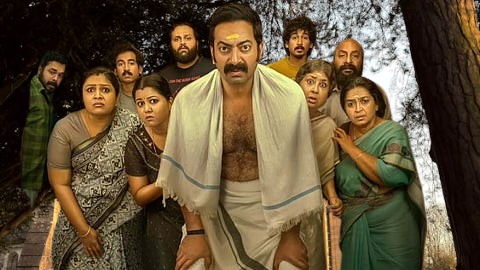
Bharathanatyam 2 Mohiniyattam Review – A Darkly Comic Triumph or a Messy Sequel? The Real Analysis
Can a film about a dysfunctional family covering up a crime make you laugh out loud while delivering a sharp social critique? Krishnadas Murali’s sequel attempts this daring high-wire act.
Sasidharan ‘Sashi’ Nair and his sprawling, unconventional family travel to Sreekandapuram. Their mission is simple: reintegrate the late patriarch’s second wife and son into their hometown.
But when a figure from the past exposes dark secrets tied to a local temple, a chaotic accident forces the entire clan into a frantic, darkly hilarious cover-up, testing their loyalties and survival instincts.
| Role | Name |
|---|---|
| Director/Writer | Krishnadas Murali |
| Sasidharan (Sashi) | Saiju Kurup |
| Govindan | Suraj Venjaramoodu |
| Cinematographer | Bablu Aju |
| Music Director | Electronic Kili |
| Producer | Thomas Thiruvalla Films |
Who Is This Movie For?
This film is squarely aimed at audiences who relish their comedy served black. Fans of the first film will find richer payoffs, but newcomers open to a genre-bending experience will be rewarded.
If you enjoy satirical jabs at blind faith and systemic exploitation, wrapped in a family-centric thriller, this is your ticket. However, viewers seeking pure slapstick or a straightforward narrative may find its tonal shifts challenging.

Script Analysis: A Confident Genre Blend
Krishnadas Murali’s script is the film’s greatest strength and its biggest risk. It masterfully transitions from a quirky family comedy into a tense, crime-based thriller without losing its comedic voice.
The pacing is notably tighter than the predecessor. The plot mechanics of the cover-up are laid out with a devilish logic that fuels both suspense and humor. The social commentary on temple politics and superstition isn’t subtle, but it’s woven effectively into the central mystery.
Where the script stumbles slightly is in its initial assumptions. It leans heavily on the audience’s familiarity with the first film’s character dynamics, which might leave some viewers playing catch-up in the early acts.
Character Arcs: Survival as the Ultimate Bond
True growth in this chaotic universe is measured by adaptability, not morality. Saiju Kurup’s Sashi evolves from a harried family manager to a strategic crisis leader. His arc is compelling because it’s rooted in pragmatic desperation.
Suraj Venjaramoodu’s Govindan is a fantastic antagonist—a looming threat whose menace is amplified by his connection to the family’s buried past. The rest of the ensemble, including the two wives and children, find their unity not through love, but through shared culpability.
Their collective journey from a bickering unit to a coordinated (if clumsy) conspiracy is the film’s emotional core, proving that shared trauma can be the strongest family glue.

The Climax Impact: Chaotic Catharsis
Does the ending satisfy? Remarkably, yes. The climax successfully merges the film’s dual threads—the tense cover-up and the satirical temple plot—into a cohesive resolution.
It delivers catharsis not through grand violence or sentimental speeches, but through the family’s final, unified maneuver. The resolution smartly comments on the cyclical nature of the patriarch’s “tricks,” suggesting the apple doesn’t fall far from the tree.
It’s a finale that feels earned, darkly funny, and thematically consistent.
| What Worked | What Didn’t |
|---|---|
| Seamless genre blend of dark comedy & thriller | Relies on prior knowledge of first film |
| Sharp social satire on blind faith | Modest box office reach beyond core audience |
| Tight, zero-dull-moment pacing | Family trope setup feels familiar initially |
| High-stakes, logical cover-up plot | Ambition may alienate pure-comedy seekers |
Writer’s Execution: Dialogue That Cuts and Connects
The dialogue is a highlight, perfectly calibrated for the film’s tone. It oscillates between razor-sharp one-liners that land with comedic precision and more grounded, tense exchanges that sell the thriller elements.
The characters speak in a believable, familial shorthand during chaotic moments, which enhances the authenticity of their bonds. The satirical lines aimed at the temple ecosystem are blunt but effective, ensuring the social critique never feels like an academic aside.
Miss vs Hit Factors: The Delicate Balance
The hit factor is undeniable: a confident director with a clear vision, two powerhouse lead performances, and a script that respects the audience’s intelligence. The technical crew elevates the material, making it look and sound far more expensive than its indie roots.

The miss factor lies primarily in market positioning. Its dark comedy-thriller hybrid nature and sequel status inherently limit its mass appeal. The film’s strengths are also its commercial limitations—it’s too clever by half for a segment of the audience that prefers simpler genre fare.
Technical Brilliance: Sound, Sight, and Sync
Bablu Aju’s cinematography captures the rural setting with a dynamic energy, using shadows and frantic camera movements to amplify both comedy and tension. The editing by Shafeeque V B is snappy, ensuring the 2-hour runtime flies by.
The sound design is a star. From the immersive Atmos mix that places you in the middle of the family’s chaos to the precise comic timing of effects, it’s a masterclass in auditory storytelling.
Electronic Kili’s score and songs, particularly “Nilavoonjale,” complement the narrative without overpowering it, adding emotional texture.
| Aspect | Rating/Comment |
|---|---|
| Story Ambition | High – A daring genre blend executed with confidence. |
| Visual Execution | Excellent – Cinematography and editing enhance both humor and thrill. |
| Audio Impact | Top-Tier – Sound design and score are integral to the experience. |
| Performance Chemistry | Superb – The ensemble sells the chaotic family dynamic perfectly. |
Frequently Asked Questions
Do I need to watch the first ‘Bharathanatyam’ to understand this sequel?
While highly recommended, it’s not absolutely mandatory. The sequel does enough to establish the core family dynamic, but much of the character history and emotional context is rooted in the first film.
Is this film more of a comedy or a thriller?
It is a genuine hybrid. The first half leans into dark family comedy, which then seamlessly morphs into a crime thriller, with the dark humor consistently laced throughout the tension.

What is the core social message of the film?
The film satirizes the exploitation rooted in blind religious faith and temple politics, using it as the catalyst for the family’s central conflict and the late patriarch’s dubious legacy.
This analysis is based on the theatrical experience and cinematic merit.
Was this trade analysis helpful?
Your feedback helps Movierullz editors maintain trade database integrity.