Dacoit Adivi Sesh Mrunal Movie 2026 Movierulez Review Details
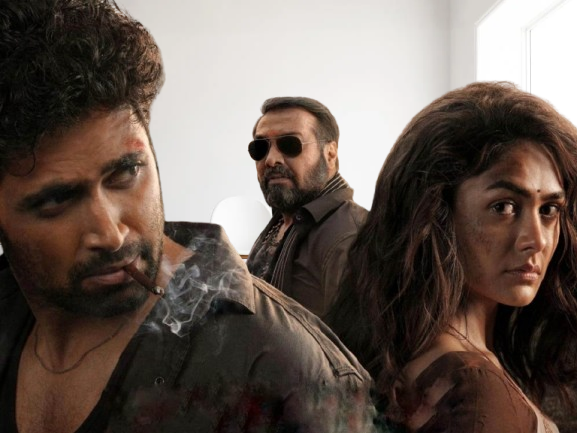
Dacoit Review – A Polished Heist or a Rustic Romance? The Real Analysis
Having watched countless genre hybrids, I must ask: can a film succeed on technical muscle and star chemistry alone when its narrative spine feels borrowed? ‘Dacoit’ is a fascinating test case.
The Core Conflict
Haridas, a Dalit man scarred by caste and a lover’s betrayal, emerges from prison with a plan. His target: a high-stakes heist. His chosen accomplice: Saraswati, the very woman who wronged him. This sets the stage for a tense game where revenge, redemption, and unresolved passion violently collide.
| Role | Name |
|---|---|
| Haridas / Hari | Adivi Sesh |
| Saraswati / Juliet | Mrunal Thakur |
| Director | Shaneil Deo |
| Writer (Story/Screenplay) | Shaneil Deo |
| Music Director | Bheems Ceciroleo |
| Cinematographer | Danush Bhaskar |
Who Is This Movie For?
This film squarely targets the mainstream Telugu audience seeking a familiar yet elevated ‘masala’ experience. It’s for viewers who prioritize star power, high-octane action, and emotional drama over narrative novelty.
Fans of Adivi Sesh’s intensity and Mrunal Thakur’s expressive prowess will find much to appreciate.
However, cinephiles craving originality or a deep, nuanced exploration of its potent caste-based premise may leave feeling the script played it too safe.

Script Analysis: The Flow and The Flaws
The screenplay’s greatest strength is its clarity. It avoids the convoluted plotting of some thrillers, opting for a linear, easy-to-follow progression. This works in its favor during the tightly wound second half. The pacing, however, is uneven.
A sluggish first hour labors to establish the romance and betrayal, relying on tropes rather than fresh writing. The plot mechanics of the betrayal and subsequent imprisonment feel convenient, engineered purely to set up the later conflict.
Yet, when the heist plot kicks in, the film finds its rhythm, propelled by two genuinely surprising twists that effectively subvert expectations.
Character Arcs: Growth or Stasis?
Haridas undergoes a physical transformation—from a hopeful youth to a hardened, vengeful man—but his emotional arc is less defined. His journey is more about the execution of a plan than internal reconciliation. The film asks whether his actions constitute growth or cyclical trauma.
Saraswati has the more complex, though under-explored, trajectory. Thakur skillfully portrays the guilt and conflict of a woman trapped by societal pressure.
The script, however, denies her full agency, often making her a pawn in Haridas’s game. The most compelling growth is subtly implied in their final, wordless exchanges—a testament to the actors’ chemistry.

The Climax Impact: Satisfying Payoff?
The heist climax is technically superb, a symphony of precise editing and thunderous background score. As a pure action set-piece, it satisfies. The emotional resolution, however, lands with muted ambiguity.
It chooses a path of poetic, almost fatalistic, conclusion over clear-cut justice or romantic reunion. This will frustrate some seeking catharsis but resonates as a more somber, arguably mature, choice for a story steeped in irreversible pain.
| What Worked | What Didn’t |
|---|---|
| The two major second-half twists. | The predictable, trope-heavy first act. |
| Lean, focused heist narrative in Act III. | Convenient plot logic for the betrayal. |
| Strong, clear emotional throughline. | Underutilized caste conflict as backdrop. |
| Pacing post-interval. | Pacing before interval. |
Writer’s Execution: Dialogue and Depth
The dialogue, particularly in Telugu, aims for a rustic, raw flavor but occasionally slips into unimpressive slang. The confrontational scenes between Sesh and Thakur crackle with subtext, where looks often convey more than words.
Where the writing stumbles is in its exposition. Key motivations and backstory are sometimes handed to the audience too plainly. The script’s safety lies in its refusal to delve deeper into the sociological chasm it introduces, keeping the conflict personal rather than systemic.
Miss vs Hit Factors
The Hit: Director Shaneil Deo’s visual assurance and command over the action genre. He frames the Rayalaseema landscape as both beautiful and brutal, a character in itself. The decision to keep the narrative straightforward allows the technical craft and performances to shine without distraction.
The Miss: A lack of audacity in the story department. The potent ingredients—caste, betrayal, revenge—are simmered into a palatable, familiar stew rather than a bold, new dish.

The film’s polished look sometimes works against its gritty emotional core, making the world feel stylized rather than authentically harsh.
Technical Brilliance: The True Star
This is where ‘Dacoit’ truly excels. Danush Bhaskar’s cinematography is stunning, painting every frame with a stark, sun-baked texture. The background score by Gyaani is a character in itself, driving the tension relentlessly.
Sound design in Dolby Atmos is immersive, from the crunch of gravel in a chase to the silent weight of a glance. The editing in the final act is razor-sharp, proving that technical prowess can elevate standard material to a compelling spectacle.
| Aspect | Rating / Comment |
|---|---|
| Story Originality | 6/10 – Familiar framework. |
| Visual Craft | 9/10 – Cinematography is top-tier. |
| Emotional Depth | 7/10 – Chemistry carries it. |
| Pacing & Editing | 8/10 – Excellent in final hour. |
| Audio-Score & SFX | 9/10 – A masterclass in atmosphere. |
Frequently Asked Questions
What is the main reason for Saraswati’s betrayal?
She succumbs to intense family pressure and caste dynamics, choosing societal obligation over love. The specific lie she tells is a desperate act of self-preservation.
Does Haridas truly love Saraswati or just seek revenge?
The film’s core tension lies in this duality. His actions are driven by a toxic mix of both, with love and hatred becoming indistinguishable, fueling his dangerous plan.
What is the significance of the “Kannepettaro” remix?
It serves as the film’s emotional and thematic anthem. Its placement underscores key turning points, connecting the present conflict to the memory of their pure, past love.

This analysis is based on the theatrical experience and cinematic merit.
Was this trade analysis helpful?
Your feedback helps Movierullz editors maintain trade database integrity.