Bharathanatyam 2 Movie 2026 Movierulez Review Details
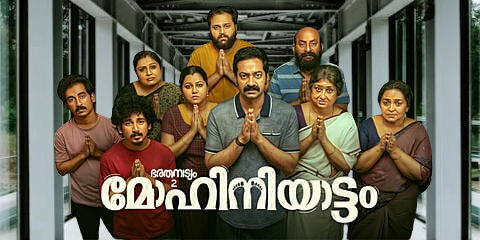
Bharathanatyam 2: Mohiniyattam Review – A Deeper Dance or a Predictable Encore? The Real Analysis
As the lights dimmed, I wondered: can a sequel about a family’s buried secrets find new emotional ground, or is it destined to repeat the same steps?
The Core Conflict
In the wake of his father Bharathan’s death, Sasidharan Nair seeks to mend his fractured family. But the revelation of a secret second life was only the first act.
New illusions, hinted by the title’s shift to ‘Mohiniyattam’—the dance of enchantment—threaten to unravel his efforts with deeper deceptions and unresolved legacies.
| Role | Name |
|---|---|
| Sasidharan Nair | Saiju Kurup |
| Bharathan Nair | Saikumar |
| Saraswathi | Kalaranjini |
| Rukmini | Sreeja Ravi |
| Director/Writer | Krishnadas Murali |
| Cinematographer | Bablu Aju |
| Music Director | Samuel Aby |
Who Is This Movie For?
This film is squarely aimed at the core Malayali family audience that powered the first film’s OTT success. If you relish detailed, performance-driven family dramas in the vein of ‘Kumbalangi Nights’ or ‘Android Kunjappan’, this is your festival release.
Viewers seeking high-octane action or a tight thriller should look elsewhere.

Its true target is the viewer who finds catharsis in the quiet chaos of home, the weight of unspoken truths, and the slow, painful beauty of reconciliation.
Script Analysis: The Flow of Secrets
Krishnadas Murali’s script wisely avoids mere rehash. It builds upon the established foundation, using the first film’s shock as a springboard into more nuanced psychological territory. The pacing, however, is a double-edged sword.
The first half expertly layers new complications—property whispers, community judgment, the delicate integration of Rukmini. The narrative flow feels organic, like watching cracks spread across a once-sturdy wall.
Post-interval, the introduction of several new characters (the film’s major strength and weakness) strains the logic. Subplots involving scheming relatives, while performed well, occasionally feel like detours from the core emotional journey of Sasidharan and the two mothers.
Character Arcs: From Revelation to Resolution
Saiju Kurup’s Sasidharan undergoes the most compelling transformation. He evolves from a reactive son uncovering secrets to a proactive patriarch attempting to architect a new family reality. His arc is one of weary determination, and Kurup portrays it with heartbreaking subtlety.
The true growth, however, lies with the women. Sreeja Ravi’s Rukmini shifts from a symbolic ‘other woman’ to a character demanding agency and respect.

Kalaranjini’s Saraswathi moves beyond betrayed wife to a figure grappling with forgiveness. Their shared, unspoken understanding becomes the film’s emotional backbone.
The Climax Impact: A Satisfying Finale?
The climax, set against a grand cultural event, aims for emotional synthesis. It largely succeeds. By tying the resolution to the metaphor of Mohiniyattam—the end of illusion—it provides a thematically coherent closure.
It avoids a saccharine ‘happily ever after,’ opting instead for a hard-won truce and a promise of future understanding. While some may find it protracted, it satisfies the central question: can this family ever truly be one? The answer is cautiously, painfully hopeful.
| What Worked | What Didn’t |
|---|---|
| Deepened female character arcs | Overstuffed second-act subplots |
| Logical expansion of Part 1’s premise | Mild predictability in ‘secret’ tropes |
| Strong thematic use of dance metaphor | Pacing dips with new ensemble focus |
| Emotionally resonant climax | Risk of diluting original’s intimate feel |
Writer’s Execution: The Dialogue of Home
Krishnadas Murali’s dialogue remains his strongest tool. It captures the specific rhythm of Malayali family discourse—the loaded silences, the proverbs wielded as weapons, the sudden bursts of raw vulnerability in the midst of mundane conversation.
The exchanges between Saraswathi and Rukmini are masterclasses in subtext. What is left unsaid between them carries more weight than the explicit confrontations. The comic relief, primarily through Jagadish, feels organic to the setting, never becoming a jarring sitcom insert.
Miss vs Hit Factors
The Hit: The film’s commitment to emotional authenticity. It doesn’t judge its characters harshly. It presents their flaws, their compromises, and their small acts of courage within a deeply conservative social framework. This nuanced gaze is its greatest victory.

The Miss: The ambition to be a broader ensemble piece. While Suraj Venjaramoodu and others deliver, their narratives sometimes pull focus from the devastatingly simple core triangle. The film is at its best in close-ups, not in wide shots of the entire, sprawling cast.
Technical Brilliance
Bablu Aju’s cinematography is a character in itself. He paints the Nair household in warm, nostalgic light, while using cooler tones for scenes of deception and isolation. The visual grammar supports the narrative seamlessly.
Samuel Aby’s score and songs are not mere embellishments. The track “Rahasya Raagam” underscores Sasidharan’s turmoil with a haunting melancholy, while the background score uses classical motifs to heighten tension.
Shadeeque V B’s editing maintains a generally firm grip on the sprawling narrative, ensuring the emotional beats land with precision.
| Aspect | Rating/Comment |
|---|---|
| Story Depth | 8/10 – Expands themes meaningfully |
| Visual Storytelling | 9/10 – Cinematography as emotional guide |
| Performance Consistency | 8/10 – Ensemble shines, led by Kurup |
| Pacing & Editing | 7/10 – Strong, but sags with scope |
| Musical Integration | 9/10 – Score is narrative bedrock |
Frequently Asked Questions
Do I need to watch the first ‘Bharathanatyam’ to understand this?
Absolutely. This is a direct narrative and emotional continuation. The sequel’s power derives from the history established in Part 1.
Is Bharathan Nair (Saikumar) in this film?
Primarily through flashbacks and spiritual presence. His legacy, not his physical being, drives the plot.

Does the film justify its switch from ‘Bharathanatyam’ to ‘Mohiniyattam’?
Yes, thematically. The first film was about the structured, revealing ‘dance’ of secrets. The sequel is about the seductive, illusory ‘enchantment’ of those secrets’ aftermath.
This analysis is based on the theatrical experience and cinematic merit.
Was this trade analysis helpful?
Your feedback helps Movierullz editors maintain trade database integrity.