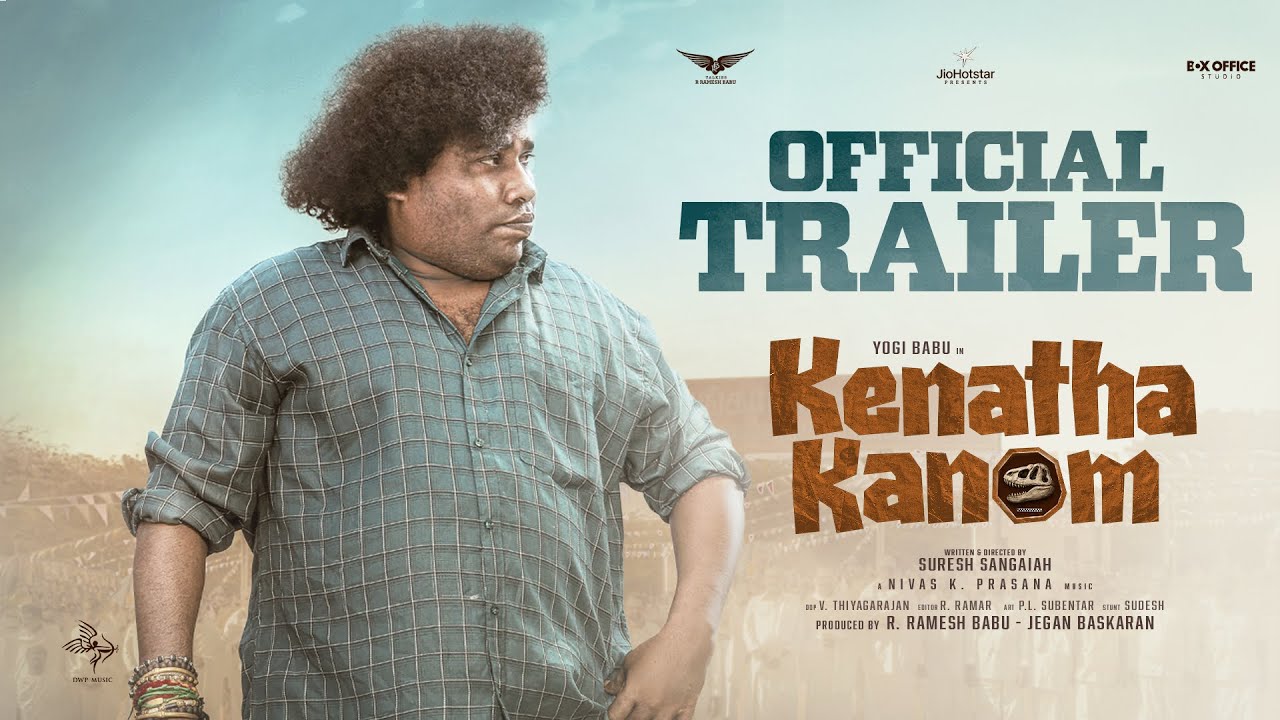
Kenatha Kanom Yogibabu Movie 2026 Movierulez Review Details
Kenatha Kanom Review – A Promising Village Tale or a Well That Runs Dry? The Real Analysis
As a critic who champions regional narratives, I walked into this late director’s final film hoping for a poignant, grounded satire. Does it deliver, or does its potential evaporate under the harsh sun?
In a parched Tamil village, a community’s desperate quest for water hits a bizarre snag: they dig up ancient bones instead of groundwater. This discovery invites a wave of bureaucratic intervention, turning a simple survival struggle into a complex battle against red tape, with the local priest, Manivasagar, caught in the middle.
| Role | Name |
|---|---|
| Director & Writer | Suresh Sangaiah |
| Lead Actor (Manivasagar) | Yogi Babu |
| Producers | SR Ramesh Babu, Jegan Baskaran |
| Music Composer | Nivas K. Prasanna |
| Cinematographer | V. Thyagarajan |
Who Is This Movie For?
This film is squarely aimed at audiences seeking authentic, star-power-free Tamil rural dramas. If you appreciate slow-burn narratives about community resilience and enjoy Yogi Babu in a more subdued, protagonist role, there’s merit here.
Fans of the late director Suresh Sangaiah’s earlier work will find a bittersweet, if flawed, final chapter. However, viewers craving tight pacing, consistent laughs, or a sharply focused social critique will likely leave thirsty.
Script Analysis: A Promising Premise with Pacing Problems
The screenplay starts with a strong, relatable hook—water scarcity. The initial setup of village dynamics and the ironic twist of finding skeletons is genuinely engaging. It promises a clever blend of folk wisdom clashing with modern governance.
However, the narrative flow soon becomes meandering. The script introduces a large ensemble of quirky characters, from a mute elder to a freedom fighter, but struggles to weave them all into a cohesive plot engine. The central conflict diffuses.

Pacing is the core issue. The film lingers too long on scenes that don’t advance the plot or deepen the thematic punch, making its runtime feel noticeably stretched. The momentum from the first act slowly evaporates.
Character Arcs: Sketches, Not Portraits
Yogi Babu’s Manivasagar is a sincere attempt at a leading man—a priest with romantic aspirations and community concerns. His arc is subtle, moving from passive observer to a more active participant, but it lacks a transformative punch.
The supporting cast is a mixed bag. Characters like the news-bearing cyclist friend add poignant texture. Yet, many others feel like familiar rural archetypes without sufficient development. Their quirks are presented, but their internal journeys remain unexplored.
The ensemble, while authentic, often feels like a collection of ideas rather than fully integrated characters driving the story forward. This prevents the emotional investment the film’s serious themes demand.
The Climax Impact: A Drizzle, Not a Storm
The resolution leans heavily on sentiment and a sense of communal victory. It aims for heartwarming closure regarding the water crisis and village self-determination.
However, due to the scattered narrative path, the climax lacks the cathartic weight it strives for. The bureaucratic antagonists feel more like inconvenient obstacles than formidable foes, diminishing the payoff.

It satisfies on a basic, ideological level—the little people win—but fails to deliver the powerful, memorable crescendo that the premise had the potential to achieve.
| What Worked | What Didn’t |
|---|---|
| The relatable, high-stakes premise of water scarcity. | Uneven pacing that saps narrative momentum. |
| Authentic rural atmosphere and setting. | An overstuffed, underdeveloped ensemble cast. |
| Yogi Babu’s committed lead performance. | Comedy that often misfires or undercuts drama. |
| Strong socio-political theme at its core. | A climax that feels underwhelming and safe. |
Writer’s Execution: Dialogue and Tone
The dialogue aims for a naturalistic, village-level cadence, which mostly succeeds in building the world. There are sporadic, effective lines that highlight the absurdity of the villagers’ predicament.
The major flaw is tonal inconsistency. The script awkwardly juggles sincere drama, social satire, and broad physical comedy. Just as a scene builds serious tension, a jarring, unfunny joke—like repetitive height-shaming gags—derails the mood.
This lack of a confident, consistent voice prevents the film from achieving either profound drama or effective satire. It ends up stuck in a middle ground.
Miss vs Hit Factors: Why It Stumbles
The hit factor is undeniably its intention and heart. The film is a loving, authentic portrait of village life and a clear-eyed look at a critical issue. The technical craft supports this vision admirably.
The miss factor is almost entirely in execution and focus. A promising story is buried under misguided priorities. The screenplay needed a ruthless edit to streamline the plot and sharpen its satire.

It relies on generating empathy for its characters through their situation rather than earning it through deep writing and narrative precision. This makes it a well-meaning but ultimately forgettable experience.
Technical Brilliance: The Saving Grace
This is where the film finds its surest footing. Cinematographer V. Thyagarajan captures the arid, sun-baked landscape beautifully, making the land itself a character. The visuals are grounded and evocative.
Nivas K. Prasanna’s music and score are subtle highlights. The songs, like “Othaiyadi,” blend seamlessly without disrupting the flow, and the background score accentuates the setting without melodrama.
Editing by R. Ramar is competent, though it can’t fully overcome the script’s pacing issues. The sound design, reportedly in Dolby Atmos, effectively immerses you in the aural landscape of the village.
| Aspect | Rating / Comment |
|---|---|
| Story & Theme | B+ (Strong premise, weak execution) |
| Screenplay & Pacing | C (Meandering and unfocused) |
| Character Depth | C+ (Authentic sketches, lacking arcs) |
| Cinematography | A- (Authentic and visually compelling) |
| Music & Sound | B+ (Effective and atmospheric) |
| Overall Impact | C+ (Noble intent, flawed delivery) |
Frequently Asked Questions (FAQs)
What is the central conflict in Kenatha Kanom?
The primary conflict is a village’s fight for water. After digging a well, they discover archaeological remains, which brings government bureaucracy that complicates their simple survival struggle.
Is this a pure comedy film?
No. It’s a rural comedy-drama with strong social themes. The comedy is often broad and inconsistent, with the film’s more serious dramatic elements taking center stage.

Why is this film significant?
It is the final film of director Suresh Sangaiah, released posthumously. It serves as his last artistic statement, focusing on the rural Tamil narratives he often championed.
This analysis is based on the theatrical experience and cinematic merit.
Was this trade analysis helpful?
Your feedback helps Movierullz editors maintain trade database integrity.