Mustafa Mustafa Tamil Movie 2026 Movierulez Review Details
Mustafa Mustafa Review – A Viral Farce or a Missed Opportunity? The Real Analysis
As a critic who has seen social media comedies rise and fall, I have to ask: does this film capture the genuine terror of a digital misstep, or does it just skim the surface for cheap laughs?
The Core Conflict
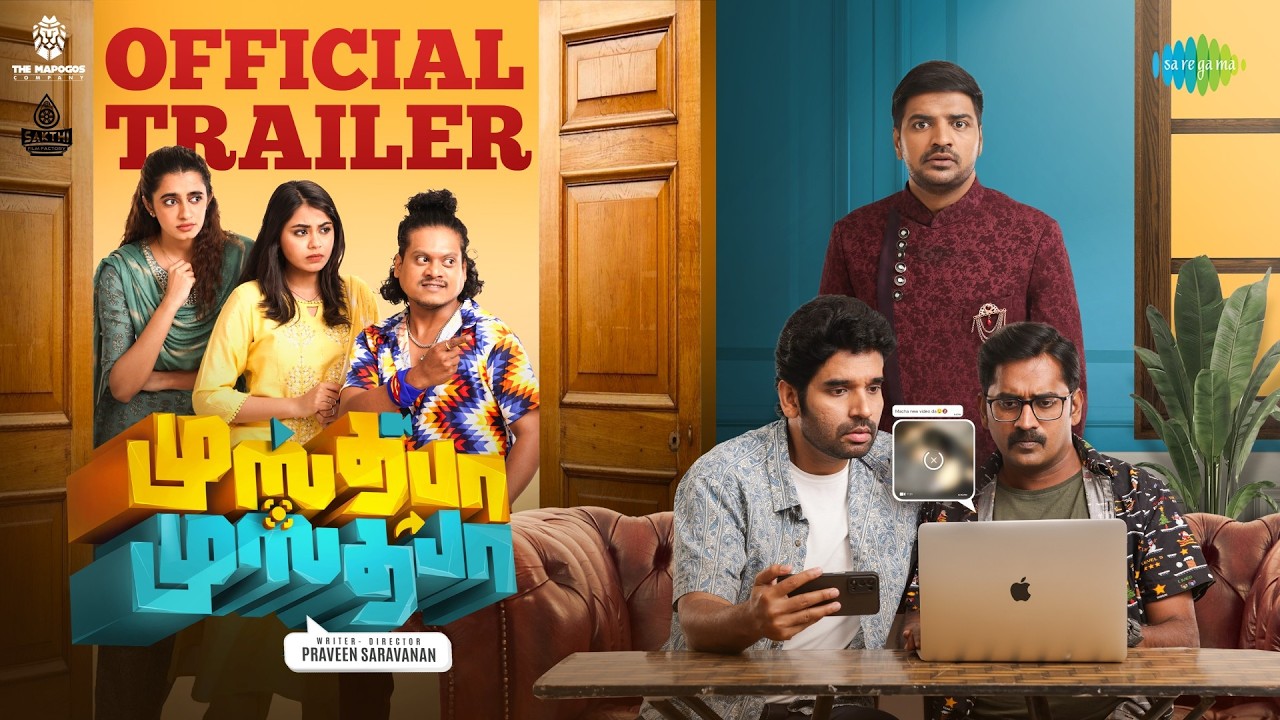
Days before his picture-perfect wedding, TV anchor Karthik’s life implodes when an old, embarrassing video goes viral. The film follows his frantic, chaotic attempts—aided by his impulsive best friend—to scrub the video from the internet before it destroys his career and relationship.
| Role | Name |
|---|---|
| Karthik | Sathish |
| Vasu | Suresh Ravi |
| Likitha | Monica Chinnakotla |
| Director/Writer | Praveen Saravanan |
| Music | M.S. Jones Rupert |
| Cinematography | K.S. Vishnu Shri |
Who Is This Movie For?
This is squarely aimed at a young, urban Tamil audience that lives and breathes social media. If you enjoy fast-paced, gag-driven comedies with familiar TV-comedy faces and a premise ripped from digital-age anxieties, you might find fleeting entertainment.
Viewers seeking sharp satire, emotional depth, or a coherent plot will leave disappointed. It’s a weekend time-passer, not a memorable commentary.
Script Analysis: The Flimsy Foundation
The premise is brilliantly contemporary—a digital sword of Damocles. Yet, the screenplay by Praveen Saravanan fails to mine it for anything beyond surface-level panic. The plot mechanics are frustratingly contrived.

Logic is routinely sacrificed for the next chaotic set-piece. The attempts to delete the video feel less like a modern thriller and more like a repetitive series of meetings with rowdies and hackers. The pacing is brisk, but it mostly papers over a lack of substantial development.
Character Arcs: Stunted Growth
Karthik’s journey is one of reactive panic, not proactive change. He scrambles to clean up a mess, but the script denies him true introspection about his carelessness. His arc is less about growth and more about damage control.
His fiancée, Likitha, is tragically under-written, serving more as a plot device—the aggrieved partner—than a character with agency. The most consistent dynamic is the buddy chemistry between Sathish and Suresh Ravi, but even that relies on established comic types rather than evolution.
The Climax Impact: A Whimper, Not a Bang
The resolution leans into public confession and reconciliation, but it feels unearned. After a third act of frantic, tonal whiplash, the ending opts for a safe, slightly sentimental wrap-up.
It lacks the biting satire or emotional payoff the premise promised. The climax doesn’t satisfy because the stakes never felt genuinely dire, just inconvenient.

| What Worked | What Didn’t |
|---|---|
| Brisk, energetic pacing | Flimsy, underdeveloped script |
| Cast chemistry & comic timing | Tonal inconsistency |
| Timely, relatable core premise | Underutilized female characters |
| Polished technical presentation | Repetitive, contrived situations |
Writer’s Execution: Dialogue & Tone
The dialogue is functional for comedy—punchlines land due to delivery, not wit. It captures the hysterical, expletive-laden panic of a crisis well. However, it falters in moments meant to convey emotion or insight.
The tonal juggling act is the script’s fatal flaw. It veers wildly between adult-oriented slapstick and half-hearted attempts at romantic drama, never committing to a coherent voice. This leaves both the jokes and the heartfelt moments feeling diluted.
Miss vs. Hit Factors
The hit factor is undeniably its energy. Director Praveen Saravanan keeps the plates spinning with competent editing and a game cast. The film *feels* modern and moves quickly enough to prevent boredom.
The miss factor is its soul. It takes a premise ripe for incisive social critique—the fragility of online identity—and reduces it to a series of frantic chases and loud arguments. It mistakes activity for substance, and noise for comedy.
Technical Brilliance: The Glossy Veneer
This is where the film punches above its weight. K.S. Vishnu Shri’s cinematography is slick, using a bright, digital-friendly palette. The VFX work by Raymax Studios, especially the social media UI and screen-within-screen effects, is seamless and adds authentic texture.

M.S. Jones Rupert’s background score is appropriately hyper, amplifying the chaos. The sound design is crisp, ensuring the rapid-fire dialogue cuts through the bedlam. Technically, it feels like a product of its time, which is a significant asset.
| Aspect | Rating / Comment |
|---|---|
| Story Concept | 8/10 (Timely & Strong) |
| Story Execution | 4/10 (Thin & Repetitive) |
| Visual Presentation | 7/10 (Slick & Modern) |
| Pacing & Editing | 8/10 (Brisk & Efficient) |
| Emotional Payoff | 3/10 (Unearned & Safe) |
Frequently Asked Questions (FAQs)
What is the objectionable video about?
The film deliberately keeps the video’s specific content vague, focusing on its socially embarrassing and career-threatening nature rather than explicit details. It’s a narrative device, not the subject.
Does the film have a social message?
It gestures towards one—about digital footprints and hypocrisy—but never commits to a sharp point of view. The message is ultimately diluted by the farcical treatment.
Is this a sequel or related to the old song?
No. The title is likely a catchy, nostalgic reference with no narrative connection to the iconic Ilayaraja song or any previous film.
This analysis is based on the theatrical experience and cinematic merit.

Was this trade analysis helpful?
Your feedback helps Movierullz editors maintain trade database integrity.