Charak Hindi Movie 2026 Movierulez Review Details
Charak Review – A Chilling Ritual or Just Rural Exploitation? The Real Analysis
As a critic who has seen folklore used as both profound metaphor and cheap spectacle, I walked into *Charak* with a heavy dose of skepticism. Can a film critique blind faith without becoming a cynical, exploitative gaze at rural tradition?
The Core Conflict
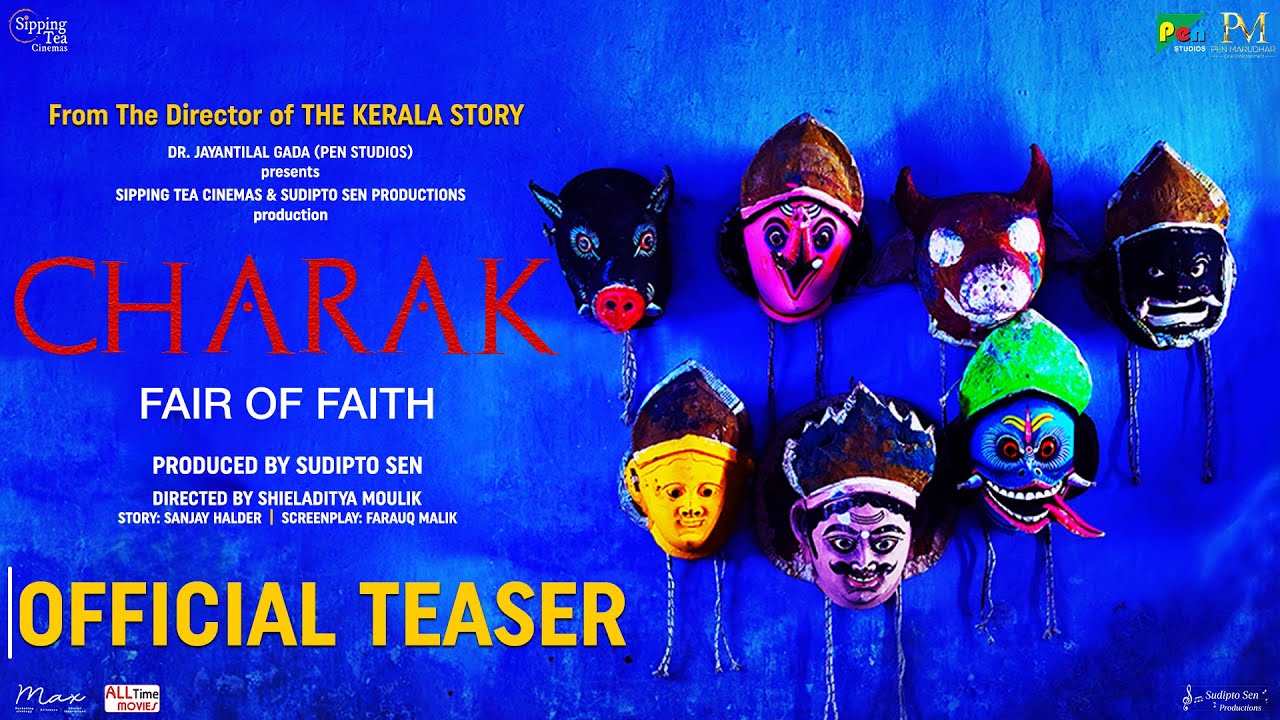
In a remote village, the annual Charak Mela arrives—a festival where desperate devotees believe extreme physical sacrifice can grant their deepest wishes.
The narrative tightens like a noose when two young boys, including the innocent Birsha, vanish amidst the ritualistic frenzy. The film becomes a taut thriller, questioning whether their disappearance is a crime or the ultimate offering to an insatiable god.
| Role | Name |
|---|---|
| Director | Shiladitya Moulik |
| Co-Director | Amarnath Jha |
| Producer | Sudipto Sen |
| Story/Screenplay | Farooq Malik |
| Shefali | Anjali Patil |
| Police Officer Subhash | Sahidur Rahaman |
| Birsha | Sankhadeep (Birsha) |
| Aghori Bhima | Debasish Mondal |
Who Is This Movie For?
This is not a casual Friday night watch. It’s for viewers seeking substantive, uncomfortable cinema. Fans of slow-burn rural noir like Jhund or the grim moral landscapes of Anurag Kashyap’s earlier work will find much to dissect.
It’s also a compelling case study for sociologists, dissecting the mechanics of mass belief. If you require clear heroes, villainous monologues, or a redemptive climax, look elsewhere.
Script Analysis: The Delicate Balance of Belief and Thriller
The screenplay’s greatest strength is its restraint. It refuses to outright condemn the ritual, instead presenting it as a grim ecosystem with its own internal logic.
The pacing is deliberate, almost documentary-like in its first act, immersing us in the mela’s unsettling normalcy. The logic holds because the film grounds every extreme act in palpable human desperation—a sick child, a barren field, a crushing debt.

The transition from cultural observation to missing-person thriller is seamless, using the investigation not as a cop drama, but as a tool to pry open the community’s complicit silence.
The plot’s flow mirrors the ritual itself: a steady, hypnotic build towards an inevitable, brutal conclusion.
Character Arcs: The Collective as Protagonist
Don’t expect transformative hero journeys. The film’s central character is the village itself. Individual arcs are subtle shifts in understanding, not revolutions.
Anjali Patil’s Shefali embodies the rational voice being systematically eroded by communal pressure. Her arc is one of tragic realization, not empowerment.
Sahidur Rahaman’s police officer represents the impotence of external law against entrenched belief; his growth is the shedding of professional duty for futile moral outrage.
The most haunting arc belongs to the devotees like Sukumar (Shashi Bhushan), whose devotion calcifies into a terrifying, irreversible fanaticism. They don’t grow—they harden.
The Climax Impact: A Somber Whisper, Not a Bang
The climax wisely avoids a sensational, action-driven resolution. The truth behind the boys’ fate is revealed with a quiet, devastating clarity that underscores the film’s core thesis: the real horror isn’t a monster, but a mirrored reflection of communal choice.

It’s a profoundly unsatisfying ending for those craving catharsis, and that’s precisely its power. It leaves you with a lingering chill, a question about the price of faith that echoes long after the credits roll.
It satisfies intellectually and emotionally, but on its own severe, uncompromising terms.
| What Worked | What Didn’t |
|---|---|
| Immersive, authentic world-building that avoids poverty porn. | Pacing can feel too deliberate, testing audience patience. |
| The seamless fusion of folklore study and psychological thriller. | Some supporting characters blur together in the large ensemble. |
| A morally ambiguous resolution that trusts the audience’s intelligence. | The investigative police thread feels undernourished at times. |
| Powerful, non-sensationalized depiction of ritualistic fervor. | Limited visual flair may disappoint those seeking cinematic grandeur. |
Writer’s Execution: The Language of Desperation
The dialogue is functional, raw, and often deliberately unpoetic. It serves the environment, not the actor’s ego. Conversations are terse, loaded with unspoken history and social tension.
The real mastery is in the silences—the gaps where fear and belief negotiate. The chants and mantras of the ritual are woven into the script not as exotic background noise, but as active, persuasive dialogue that drives the plot.
The writers understand that in this world, faith speaks louder than reason, and the script makes us feel that overwhelming volume.
Miss vs Hit Factors: A Razor’s Edge
The film walks a razor’s edge, and its successes and failures stem from the same bold choices. The Hit: Its unwavering commitment to tone.
It never winks at the audience or offers a mainstream escape hatch. The anthropological gaze feels respectful, not voyeuristic. The ensemble cast delivers uniform, grounded authenticity that sells the reality.

The Miss: This very commitment is its commercial barrier. The grim palette and lack of a clear emotional anchor can feel alienating. The editing, while purposeful, could have used a slightly sharper rhythm in the mid-section to heighten the thriller elements.
It risks preaching to the converted—those already inclined to its message may find it powerful, but it struggles to engage those it might aim to provoke.
Technical Brilliance: Crafting Unease
The technical package is subservient to mood, and all the more brilliant for it. Cinematographers Manas Bhattacharya and Prasantanu Mohapatra employ a grainy, handheld aesthetic that feels less like a movie and more like a found document.
The score by Bishakh Jyoti is the film’s secret weapon—a dissonant blend of folk instruments and ambient dread that gets under your skin. The sound design is immersive; the cacophony of the mela, the whispers of prayer, the unsettling quiet of the forests create a potent soundscape of anxiety.
Editing by Praveen Angre is stark, refusing to shy away from uncomfortable moments, letting scenes breathe until the atmosphere becomes thick with unease.
| Aspect | Rating / Comment |
|---|---|
| Story & Theme | 9/10. A brave, coherent, and socially relevant core executed with conviction. |
| Visual Execution | 7/10. Effective and atmospheric, but prioritizes authenticity over cinematic spectacle. |
| Character Depth | 8/10. The collective portrait is profound, though individual depth is sometimes sacrificed. |
| Pacing & Editing | 7/10. Deliberate to a fault; builds unease but may lose the less patient viewer. |
| Overall Impact | 8/10. A haunting, important film that succeeds more as an experience than as entertainment. |
Frequently Asked Questions (FAQs)
Is the Charak ritual real?
Yes. The film is based on real Charak Puja or Gajan festivals, primarily observed in rural Bengal, where devotees undertake extreme physical austerities as acts of faith and sacrifice.
What ultimately happens to the missing boys?
To reveal the specifics would spoil the film’s carefully constructed moral puzzle. The resolution is less about a single villain’s action and more about exposing a systemic, communal failure, leaving their fate to be interpreted as a tragic consequence of that system.

Is there a clear villain in the film?
No. The film’s antagonist is the ecosystem of blind faith itself—a compound of desperation, superstition, social pressure, and political apathy. Characters like the Aghori or certain elders are manifestations of this system, not its sole architects. This analysis is based on the theatrical experience and cinematic merit. Your feedback helps Movierullz editors maintain trade database integrity.Was this trade analysis helpful?