Made In India A Titan Story Movie 2026 Movierulez Review Details
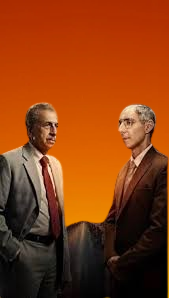
Made In India: A Titan Story Review – A Gripping Tale of Ambition, or Just Another Corporate Hagiography?
I walked into this series expecting a dry business case study. I emerged six hours later, genuinely moved by a story about a watch company. How often does that happen?
This is not just a review; it is an analysis of how Robbie Grewal turned a corporate chronicle into a deeply human fable of national pride.
Synopsis: More Than Just Timepieces
The core conflict is simple yet profound: In the 1980s, a Swiss watchmaker insults India’s manufacturing capability. J.R.D. Tata, stung by this slight, tasks Xerxes Desai with the impossible—building a world-class watch brand from scratch in a protectionist, bureaucratic India.
The series follows the 15-year struggle against technological failure, financial ruin, and internal doubt.
Main Cast & Crew
| Role | Name |
|---|---|
| Lead (Xerxes Desai) | Jim Sarbh |
| J.R.D. Tata | Naseeruddin Shah |
| Akash Dikshit | Vaibhav Tatwawadi |
| Megha Mhatre | Kaveri Seth |
| Gaurav Dhar | Lakshvir Saran |
| Director | Robbie Grewal |
| Writer | Karan Vyas |
| Music | Next As |
| Casting | Yash Naagarkoti |
Section 1: Who Is This Movie For?
This is precise targeting. It is not for action junkies. It is for the aspirational Indian middle class, MBA students, and anyone who believes in “Make in India.” It avoids corporate jargon, focusing instead on the emotional toll of innovation.

If you loved Rocket Boys or Scam 1992, this is your next obsession.
Section 2: Script Analysis – The Architecture of Patience
Karan Vyas’s script refuses to rush. It understands that innovation is boring 90% of the time. The first two episodes are slow, deliberately so, establishing the institutional rot of 1970s India.
The pacing is a double-edged sword: it builds real tension, but it requires the viewer’s patience. The dialogue is sharp but naturalistic, avoiding the melodrama typical of Hindi business sagas.
The script’s greatest trick is making a broken watch movement feel like a life-or-death crisis.
Section 3: Character Arcs – The Growth of Giants
Xerxes Desai (Sarbh) begins as a builder of bridges, a doer frustrated by desk jobs. His arc is one of controlled idealism turning into gritty pragmatism.
J.R.D. Tata (Shah) is the philosophical anchor, speaking in careful, weighted words. The real star is Akash (Tatwawadi), who represents the loyal lieutenant sacrificing his own glory for the vision.

Megha (Seth) provides the modern marketing voice, cutting through male ego with data. Every character earns their growth.
Section 4: The Climax Impact – Satisfaction in Small Victories
The climax is not a grand IPO moment. It is the quiet satisfaction of a prototype working. This is brave filmmaking. The series avoids the typical “great man” victory lap.
The final episode focuses on the launch, but the real emotional payoff is watching the team finally believe in themselves. It is understated, honest, and deeply satisfying because it feels earned.
Screenplay Highs & Lows
| What Worked | What Didn’t |
|---|---|
| Authentic period detail via music & sets | Pacing drags severely in episodes 2 & 3 |
| Nuanced character interactions | Characters do not age across 15 years |
| Emotional depth over business metrics | “Jingle” episode feels like a checkbox |
| Naturalistic dialogue | Lacks high-stakes urgency in middle section |
Section 5: Writer’s Execution – Dialogue as a Tool
Karan Vyas writes dialogue that lands with the weight of a hammer. J.R.D. Tata’s lines are philosophical without being preachy. Xerxes’ frustration is palpable.
The script knows when to shut up and let silence or a song do the work. The only misstep is the episode centered on the creation of the Titan jingle—it feels manufactured, as if the writer was forced to include a “fun” episode.
The rest is gold.

Section 6: Miss vs Hit Factors – The Real Scorecard
Hit: The Casting. Yash Naagarkoti deserves an award. Jim Sarbh sheds his usual eccentricity for a grounded, magnetic performance. Miss: The Physical Uniformity. The year is 1995 on screen, but Jim Sarbh looks exactly like he did in 1980.
This breaks the illusion of a grueling 15-year journey. Hit: The Music Integration. Using “Ajeeb Dastan Hai Yeh” is not just nostalgia; it is a narrative device that mirrors the team’s emotional state.
Miss: Lack of Villainy. The bureaucracy is faceless. A stronger antagonistic force would have raised the stakes.
Section 7: Technical Brilliance – Sound and Vision
Robbie Grewal’s direction focuses on close-ups and quiet conversations. The camera is still, letting actors breathe. The VFX are minimal but effective for the era.
The sound design is the unsung hero—the click of a watch mechanism is a recurring motif. The editing is restrained, letting scenes play out naturally.
The music composer Next As provides a subtle, non-intrusive score that supports rather than dominates.

Story vs. Visuals
| Aspect | Rating / Comment |
|---|---|
| Narrative Depth | 9/10 – Deeply human, avoids clichés |
| Cinematography | 8/10 – Intimate, period-accurate lighting |
| Sound Design | 9/10 – Immersive, subtle, effective |
| Production Design | 8/10 – Strong 80s aesthetic, minor anachronisms |
| Pacing | 6/10 – Requires patience, slow in middle |
| Overall Impact | 8.5/10 – A heartfelt surprise |
Frequently Asked Questions
1. Is the story historically accurate?
Yes, it is based on Vinay Kamath’s book and actual events. The core struggles with licensing, technology, and bureaucracy are factual, though some character composites are used for narrative flow.
2. Do I need to understand business to enjoy this?
No. The series focuses on human relationships, failure, and perseverance. The business elements are explained visually and contextually, making it accessible to all viewers.
3. Why is the watch motif so central to the climax?
The watch is a metaphor for precision, patience, and Indian craftsmanship. The climax uses the first working prototype as a symbol of national self-worth, moving the story from a corporate goal to a patriotic victory.
This analysis is based on the theatrical experience and cinematic merit.
Was this trade analysis helpful?
Your feedback helps Movierullz editors maintain trade database integrity.