Unmadham Movie 2026 Movierulez Review Details
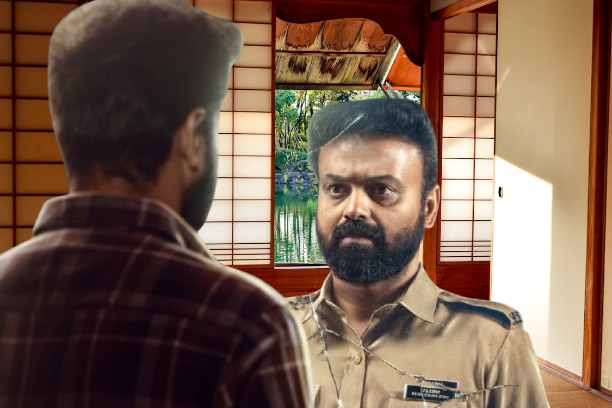
Unmadham Review – A Gripping Tale or Just Another Drama? The Real Analysis
I walked into the theater expecting a routine police procedural. What I got was a masterclass in psychological disintegration. Let’s dissect why this film lingers long after the credits roll.
Synopsis
A police constable, already drowning in domestic strife, reopens a cold case that should have stayed buried. As he digs deeper, the line between investigation and insanity dissolves. The case becomes a mirror, reflecting his own fractured psyche.

| Role | Name |
|---|---|
| Lead Actor | Kunchacko Boban |
| Lead Actress | Lijomol Jose |
| Director | Kiran Das |
| Writer | Shahi Kabir |
| Music | Mujeeb Majeed |
| Sound Design | Kalai Kingson |
| Producer | Kumar Mangat Pathak |
Who Is This Movie For?
This is not for the casual multiplex crowd. It demands patience. It is for viewers who savor the slow burn of Nayattu or Joseph. If you need a song break every fifteen minutes, skip this.
Script Analysis
Shahi Kabir crafts a narrative that feels deliberately fragmented. The first act is deliberately disorienting. The second act tightens into a vice. The logic holds, but only if you accept that trauma operates on its own timeline.
Character Arcs
Kunchacko Boban’s constable does not grow. He fractures. That is the point. Lijomol Jose plays the wife as a quiet accusation. She does not support him; she mirrors his failure. The supporting cast of colleagues exists only to highlight his isolation.

The Climax Impact
The ending refuses to offer catharsis. It offers ambiguity. Some will call it frustrating. I call it honest. The case is solved, but the man is not. He is left standing in the wreckage of his own mind.
| What Worked | What Didn’t |
|---|---|
| Fragmented narrative mirrors trauma | First act pacing may lose impatient viewers |
| Dialogue is sparse but heavy | Supporting characters feel underutilized |
| Psychological tension remains consistent | Some reality shifts feel abrupt |
Writer’s Execution
Shahi Kabir understands silence. The dialogue does not explain. It reveals. Every line carries subtext. The wife’s quiet questions cut deeper than any accusation. The constable’s monologues are internal, rarely spoken aloud.
Miss vs Hit Factors
The biggest win is the refusal to commercialize the trauma. No forced romance. No comic relief. The miss is the film’s confidence in its audience. It assumes you can keep up. Not everyone will.

Technical Brilliance
Mujeeb Majeed’s score is a character. It breathes. It withholds. The sound design by Kalai Kingson is immersive—every clock tick, every distant siren amplifies the unease. The cinematography stays tight, claustrophobic, rarely offering relief.
| Aspect | Rating/Comment |
|---|---|
| Story Depth | 9/10 – Layered but demanding |
| Visual Execution | 8/10 – Controlled, intentional framing |
| Sound Design | 10/10 – Masterclass in tension |
| Pacing | 7/10 – Slow, deliberate, not for everyone |
FAQs
- Is the ending clear or ambiguous? The case is solved, but the protagonist’s mental state remains unresolved. Ambiguity is deliberate.
- Does the film have supernatural elements? No. The “otherworldly” hints are metaphors for trauma and guilt. Nothing is literal.
- Should I watch it in theaters? Yes. The sound design and cinematography demand a proper screen and sound system.
This analysis is based on the theatrical experience and cinematic merit.

Was this trade analysis helpful?
Your feedback helps Movierullz editors maintain trade database integrity.